
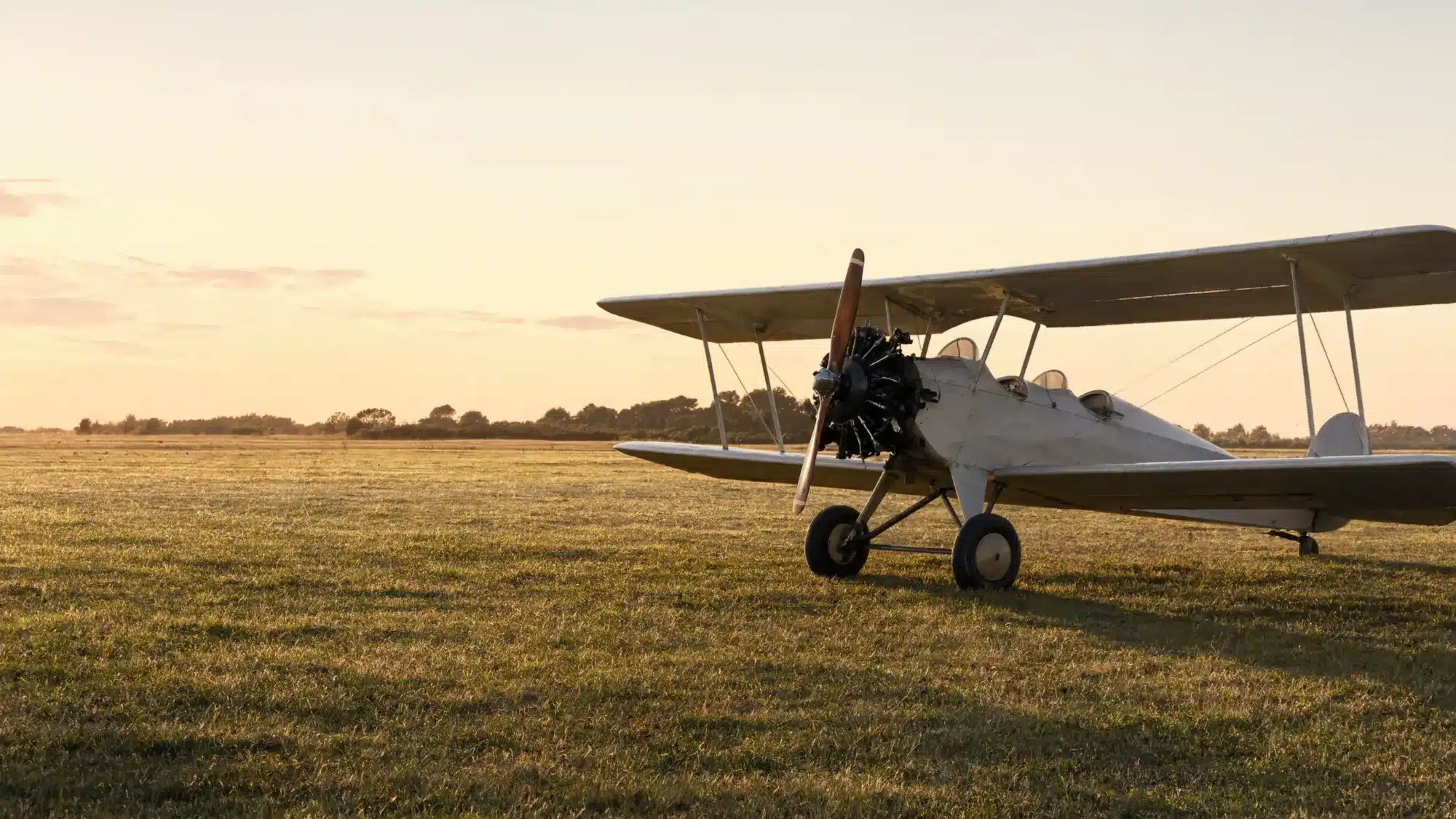
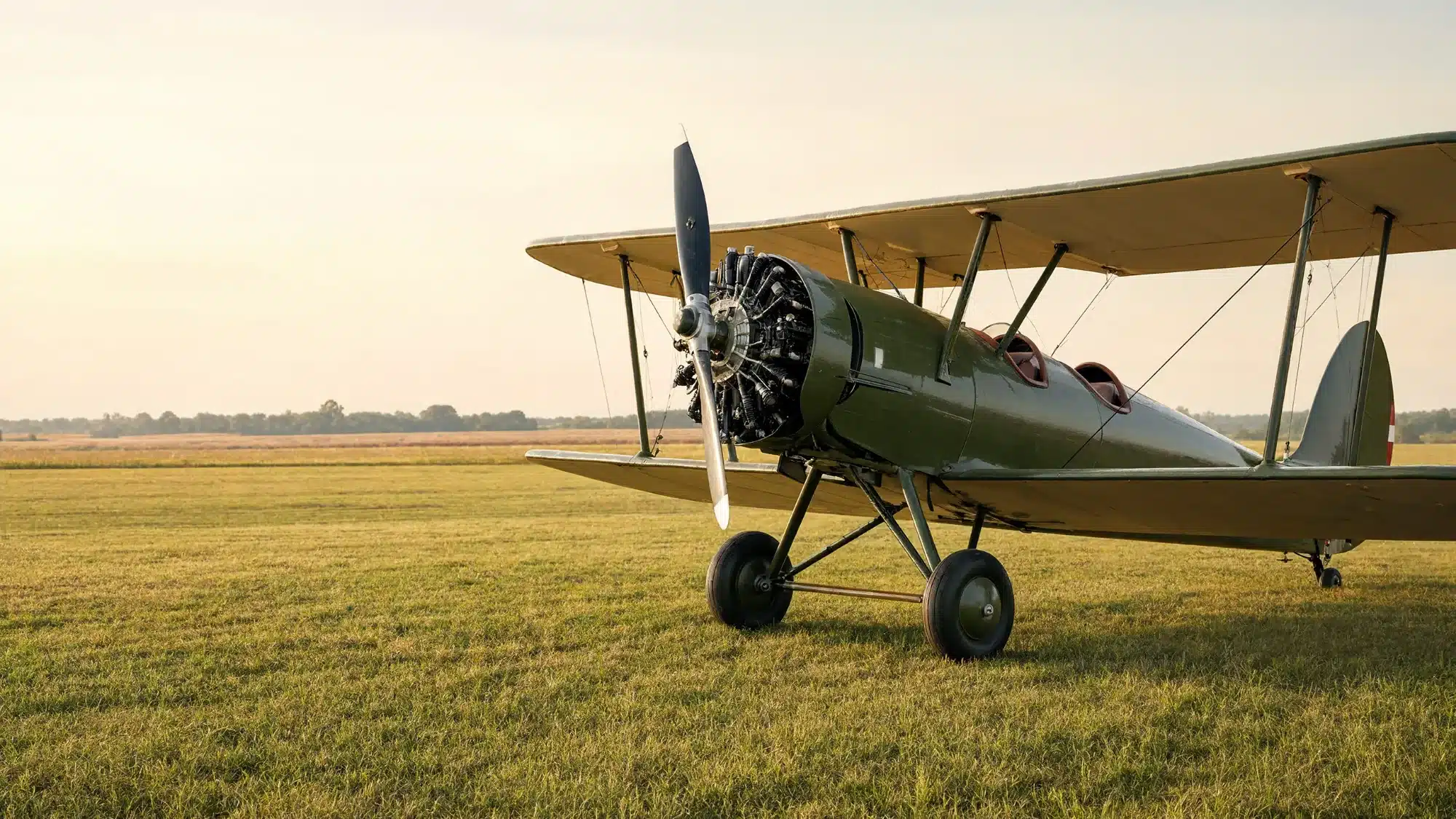
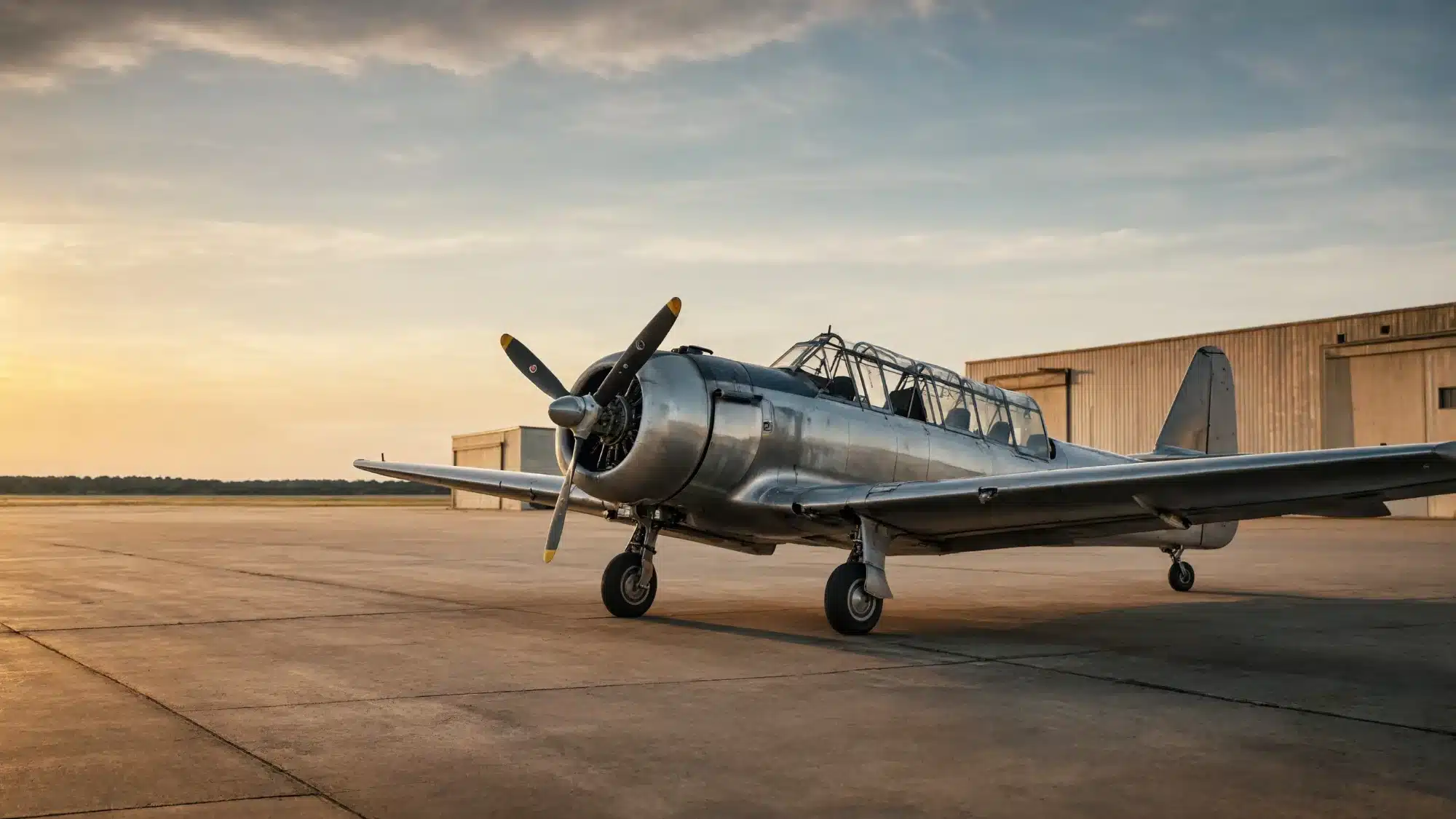
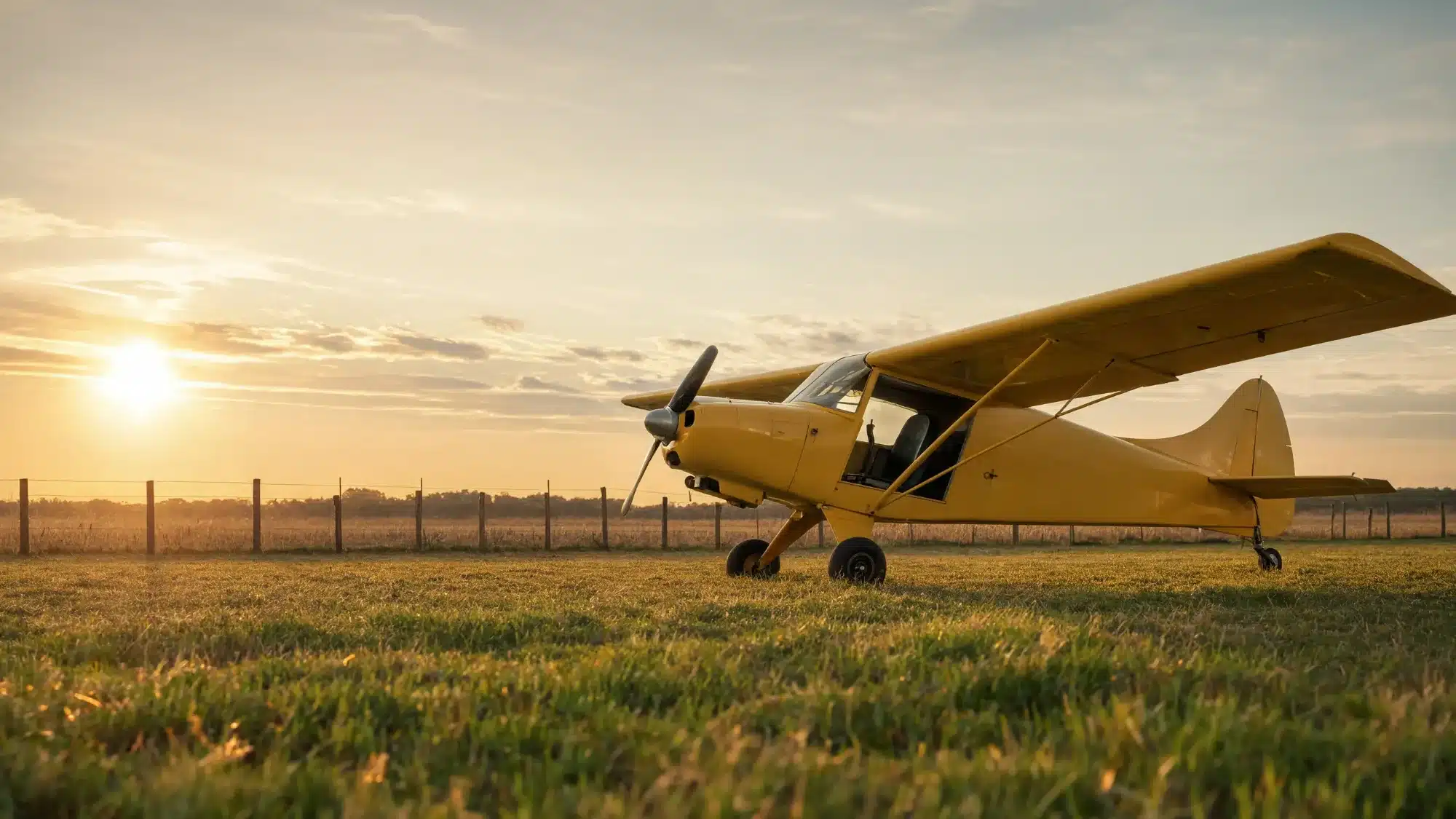
Stearmans, T-6s, Cubs, Champs, Wacos, the occasional Navion or L-bird. These donations usually come from an owner who can no longer fly, or a family who inherited an aircraft with fifty years of history and no idea what to do with it. The questions are different from a 172 — fabric date, wood spar records, radial time, parts supply — and none of them need answering before you call.
What we take care of
These airplanes are usually donated by someone who wants them kept flying rather than sold off. That placement is work, and it is work we do for you.
What shapes the plan for your aircraft
Three things, in this order.
Fabric and structure. When it was recovered, with what process, and by whom, if that is known. Wood spars and steel tube clusters need inspection records. Missing paperwork on a forty-year-old restoration is normal and is not a problem.
Engine and parts supply. A radial with a recent overhaul and a shop still supporting it is a strong asset. A rare engine with no overhaul shop is a different conversation, and sometimes the airframe carries more value than the powerplant.
Provenance and documentation. Restoration photographs, prior registrations, wartime or agricultural service, museum records. Bring what you have, even if it is a shoebox — for this class, it genuinely matters.
Keeping them flying
Flyable antiques are ferried by pilots with tailwheel and type experience — we do not put a low-time pilot in a Stearman to save a truck fee. Aircraft under restoration move disassembled, with the wings crated and the fuselage on a cradle, exactly as they sit in your shop.
Where the aircraft has historical significance, placement with an organization that will display or fly it can change the basis of your deduction. That is worth discussing before anything is signed.


Tell us about the aircraft
Three short steps. Only your name, phone and email are required — everything after that you can answer from memory, skip, or leave to the phone call. Nothing here commits you to anything. We carry the cost of pickup, transport and filing; an appraisal, where one is required, is the donor's own expense.
Rather talk it through? (888) 228-7320
An intake coordinator reads every submission and calls you back. We never sell or share your information.
What you can deduct for an antique or warbird
This is the class where retention and display are most likely, and where a qualified appraisal is most often needed — vintage values are specific and rarely obvious from a sale comp. If the aircraft is retained and used, your deduction rests on appraised value rather than proceeds, which is worth knowing before you commit.
| Situation | Deduction basis | Documents |
|---|---|---|
| Sold with life remaining on components | Gross proceeds of the sale | Form 1098-C within 30 days of sale |
| Taken by a maintenance school as instructional equipment | Qualified appraised value, as significant intervening use | 1098-C with the intervening-use certification |
| Timed-out airframe recovered for parts | Proceeds of the recovered components | 1098-C reflecting the recovery |
| Operator-owned and depreciated | Limited to adjusted basis; recapture applies | Your CPA should confirm before you assume a figure |
Giving Center cannot value your aircraft and cannot hire your appraiser — the IRS requires that independence, and above $5,000 the qualified appraisal is the donor's responsibility and expense. Rules for vehicle and aircraft gifts are set out in IRS Publication 526, valuation in Publication 561, and the acknowledgment requirement in the Form 1098-C instructions. Claims above $5,000 also need Form 8283 Section B. Nothing here is tax advice; confirm your own figures with your CPA. Full tax detail · FAA paperwork
Models in this class
Related situations: no logbooks · damaged or AOG · inherited aircraft · aircraft with a lien
Ready when you are
Type, hours, logs and where it sits. That is enough for a real answer on the first call. Pickup, transport and filing are ours to cover.