

Cubs and Champs on straight floats, 180s and 185s that worked northern lakes, Lake amphibians, the occasional Beaver. Most reach us when the season stops being worth the corrosion inspections, when a lake property sells, or when an estate inherits an airplane nobody in the family is rated to fly off water. If the aircraft is on a lake with no road, say so on the first call — that is a logistics question for us, not an obstacle for you.
What we take care of
Getting an airplane off the water is the part owners dread. It is the part we do most often, and it costs you nothing.
What shapes the plan for your aircraft
Three things, in this order.
Float and hull condition. Corrosion inside the compartments, the state of the keels, and whether the floats have been pulled recently. Water rudders and their cables tell us how the aircraft has been kept. Approximate answers are genuinely fine.
Fresh water or salt. Salt or brackish operation changes the inspection list entirely, and we will look at the belly, the cables and the float fittings first. A washed, hangared freshwater airplane is a different proposition, and both are welcome.
Wheels, floats or amphibian. Whether the aircraft can touch pavement decides how it leaves. Amphibians usually fly to a hard runway; straight-float aircraft need a lake with road access or a crane, which is our arrangement to make.
Getting off the water
The cleanest path is a ferry flight to a hard-surface airport, where floats come off and the aircraft goes on wheels or a trailer. Where that is not possible, we bring a crane and a lowboy to the ramp or dock. Seasonal access matters: in much of the country, a lakeside pickup has to happen before freeze-up or wait until spring.
If the floats are off and stored somewhere else, they are still part of the donation and still carry value. Tell us where they are and roughly what shape they are in.


Tell us about the aircraft
Three short steps. Only your name, phone and email are required — everything after that you can answer from memory, skip, or leave to the phone call. Nothing here commits you to anything. We carry the cost of pickup, transport and filing; an appraisal, where one is required, is the donor's own expense.
Rather talk it through? (888) 228-7320
An intake coordinator reads every submission and calls you back. We never sell or share your information.
What you can deduct for a seaplane
Seaplanes have a small, committed buyer pool, so most are sold and your deduction is the gross proceeds. Floats stored separately are part of the same donation and part of the same figure. Where an airframe instead goes to a school or a mission program, valuation is by appraisal and we will say so early.
| Situation | Deduction basis | Documents |
|---|---|---|
| Sold with life remaining on components | Gross proceeds of the sale | Form 1098-C within 30 days of sale |
| Taken by a maintenance school as instructional equipment | Qualified appraised value, as significant intervening use | 1098-C with the intervening-use certification |
| Recovered and sold as components | Proceeds of the recovered components | 1098-C reflecting the recovery |
| Operator-owned and depreciated | Limited to adjusted basis; recapture applies | Your CPA should confirm before you assume a figure |
Giving Center cannot value your aircraft and cannot hire your appraiser — the IRS requires that independence, and above $5,000 the qualified appraisal is the donor's responsibility and expense. Rules for vehicle and aircraft gifts are laid out in IRS Publication 526, valuation in Publication 561, and the acknowledgment requirement in the Form 1098-C instructions. Claims above $5,000 also need Form 8283 Section B. Nothing here is tax advice; confirm your own figures with your CPA. Full tax detail · FAA paperwork
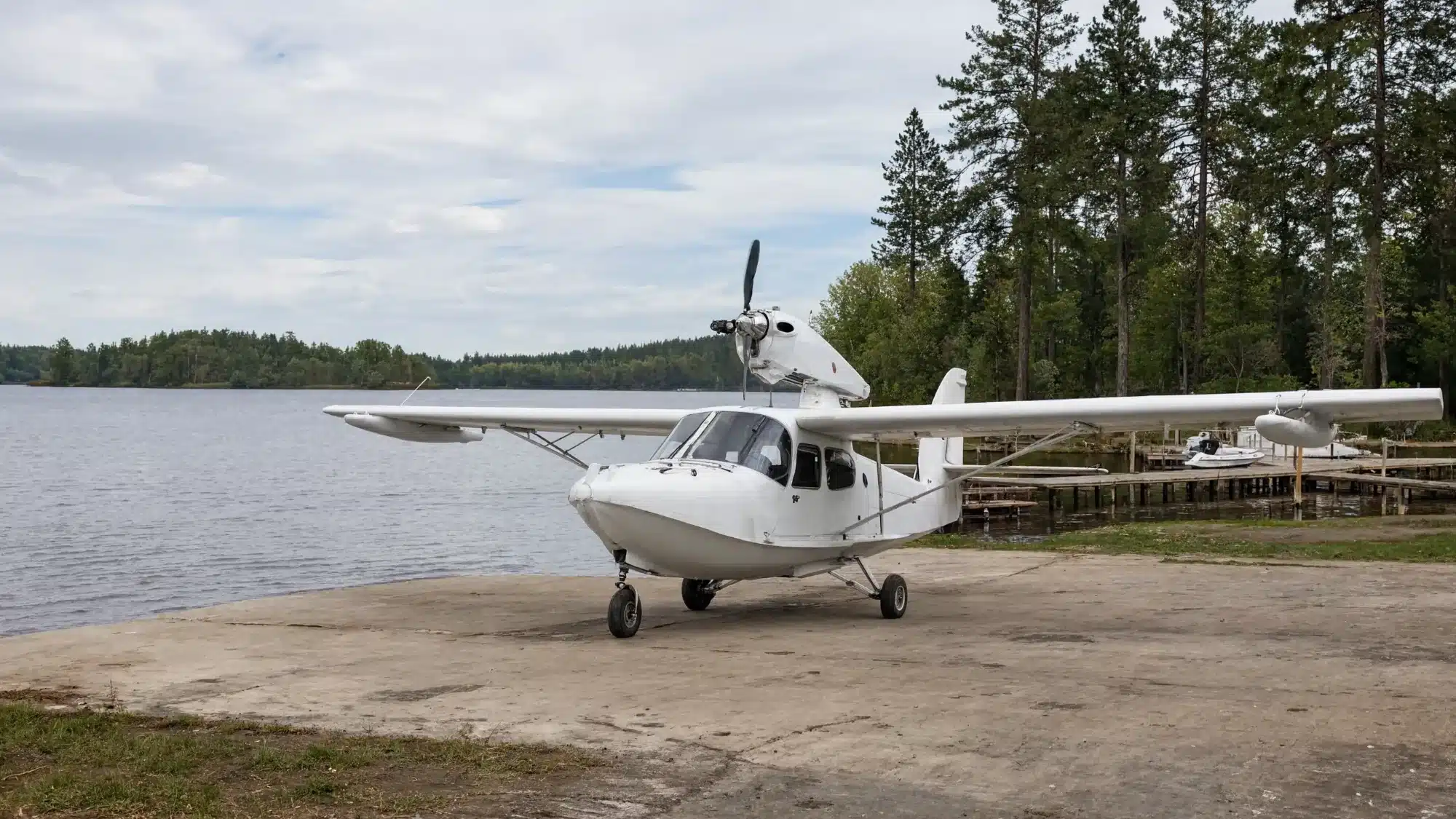
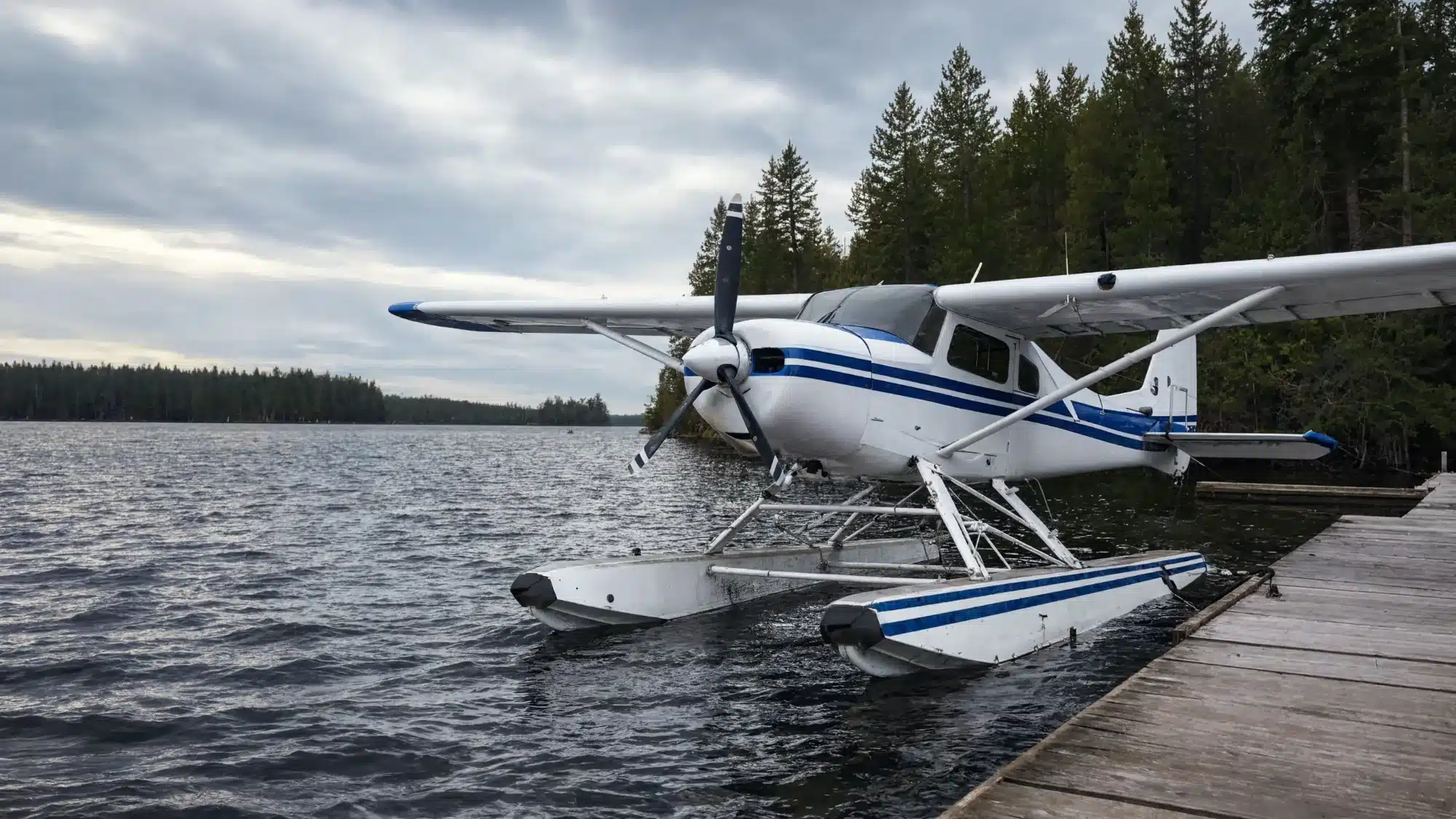
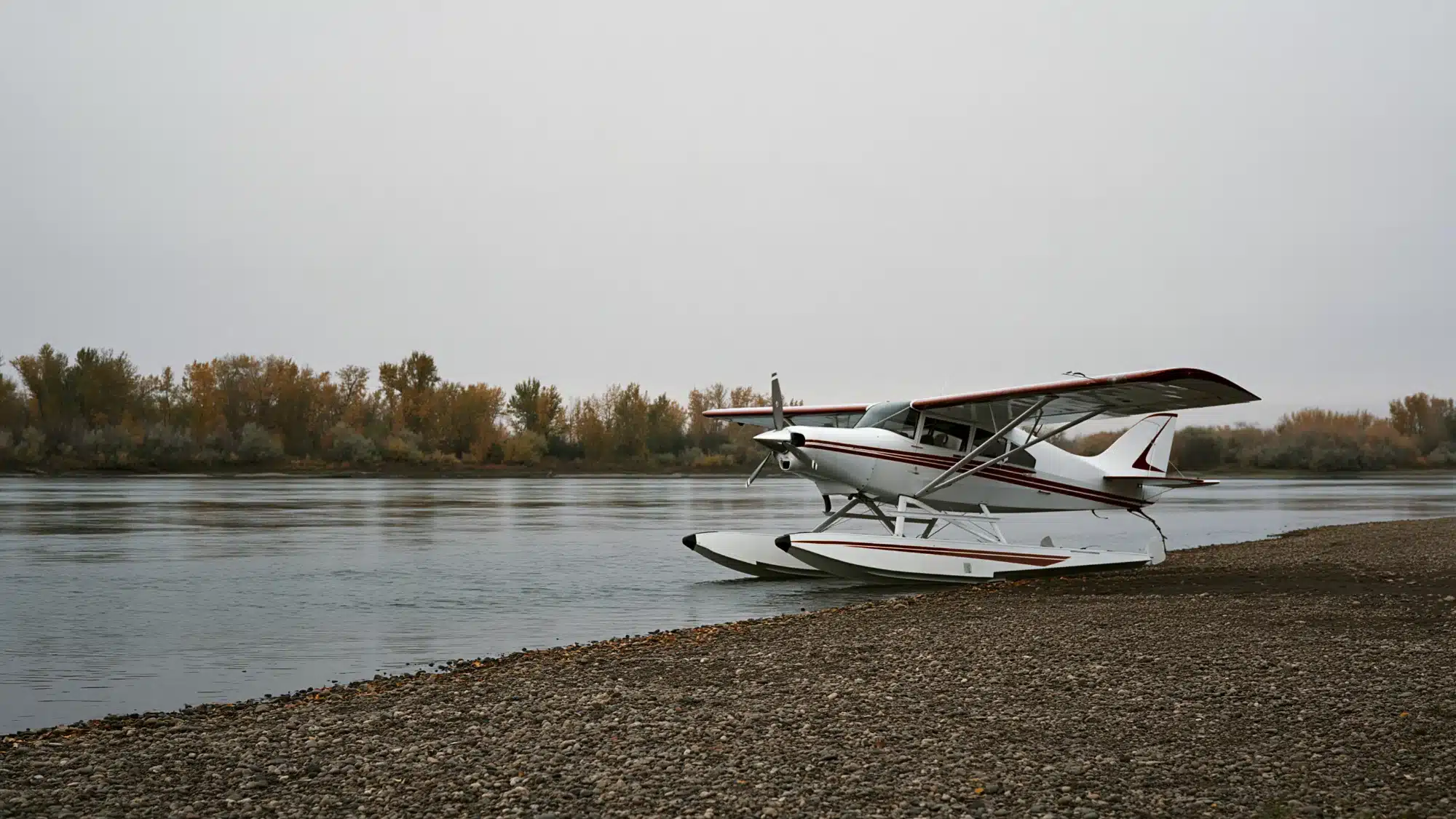
Models in this class

Related situations: no logbooks · damaged or AOG · inherited aircraft · aircraft with a lien
Ready when you are
Type, hours, logs and where it sits. That is enough for a real answer on the first call. Pickup, transport and filing are ours to cover.