
The appraisal is the one part of an aircraft donation the donor owns outright. That is deliberate on the IRS’s part: an appraisal arranged or paid for by the recipient charity would be worth nothing, because the charity has an interest in the number. So we stay out of it, and this page explains the rules you are working with, what a good appraisal contains, and the cases where you do not need one at all.
When an appraisal is required
The threshold is the claimed value of the contribution, and it is not about the aircraft’s type or glamour.
Two wrinkles catch donors out. First, similar items are aggregated — a hangar of avionics or a rack of propellers can pass $5,000 as a group even though no single item does. Second, where the aircraft is sold and the deduction is limited to gross proceeds, the sale price rather than an appraised figure generally carries the claim; see the note below.
What makes an appraisal and an appraiser qualified
Both terms are defined, and both matter. An appraisal that does not meet the definition can cost the deduction even where the number was perfectly reasonable.
- A qualified appraiser holds a recognized credential or has demonstrable education and experience valuing this kind of property, regularly prepares appraisals for compensation, and is not excluded by their relationship to the parties. Aircraft are a specialty; a general personal-property appraiser is usually the wrong choice.
- Independence. The appraiser cannot be the donor, the recipient organization, a party to the transaction, or someone related to or employed by them. This is the reason we do not recommend, select or pay for your appraiser.
- Timing. The appraisal must be made no earlier than 60 days before the date of the contribution and must be received before the return claiming the deduction is due, extensions included.
- Fee structure. A fee based on a percentage of the appraised value is disqualifying. Pay for the work, not for the answer.
Who pays, and why we stay out of it
The donor engages the appraiser and the donor pays the fee. We cover pickup, transport, disassembly where needed, title work, the lien search and the FAA filing — but not this, and not because we are being ungenerous. An appraisal a charity paid for is a conflicted appraisal, and the IRS treats it accordingly.
One clarification worth making to donors: the appraisal fee is not part of your charitable contribution. It is a cost of substantiating the claim. Your CPA can tell you how it is treated on your return.
What we will do is sign Form 8283 Section B as the recipient organization, acknowledge receipt of the aircraft, and provide whatever documentation about the disposition the appraiser or your CPA needs from us.
What the appraiser will look at
- Airframe and total time. TTAF, damage history, corrosion findings, and any Form 337 repairs or alterations.
- Engine and propeller. Time since overhaul, the kind of overhaul, calendar time since the last one, and whether the aircraft has been flying or sitting.
- Records. Completeness of the logs and AD compliance. A documentation gap is a condition affecting value and a competent appraisal will say so rather than assume the best case.
- Avionics and mandate status. ADS-B Out, IFR certification currency, and whether the panel is legacy or current.
- Inspection status. Annual or 100-hour currency, and for turbines the position against heavy checks and program enrollment.
- Market comparables. Actual transactions for the type and condition, which is where a specialist earns the fee — published book figures alone are a weak foundation.
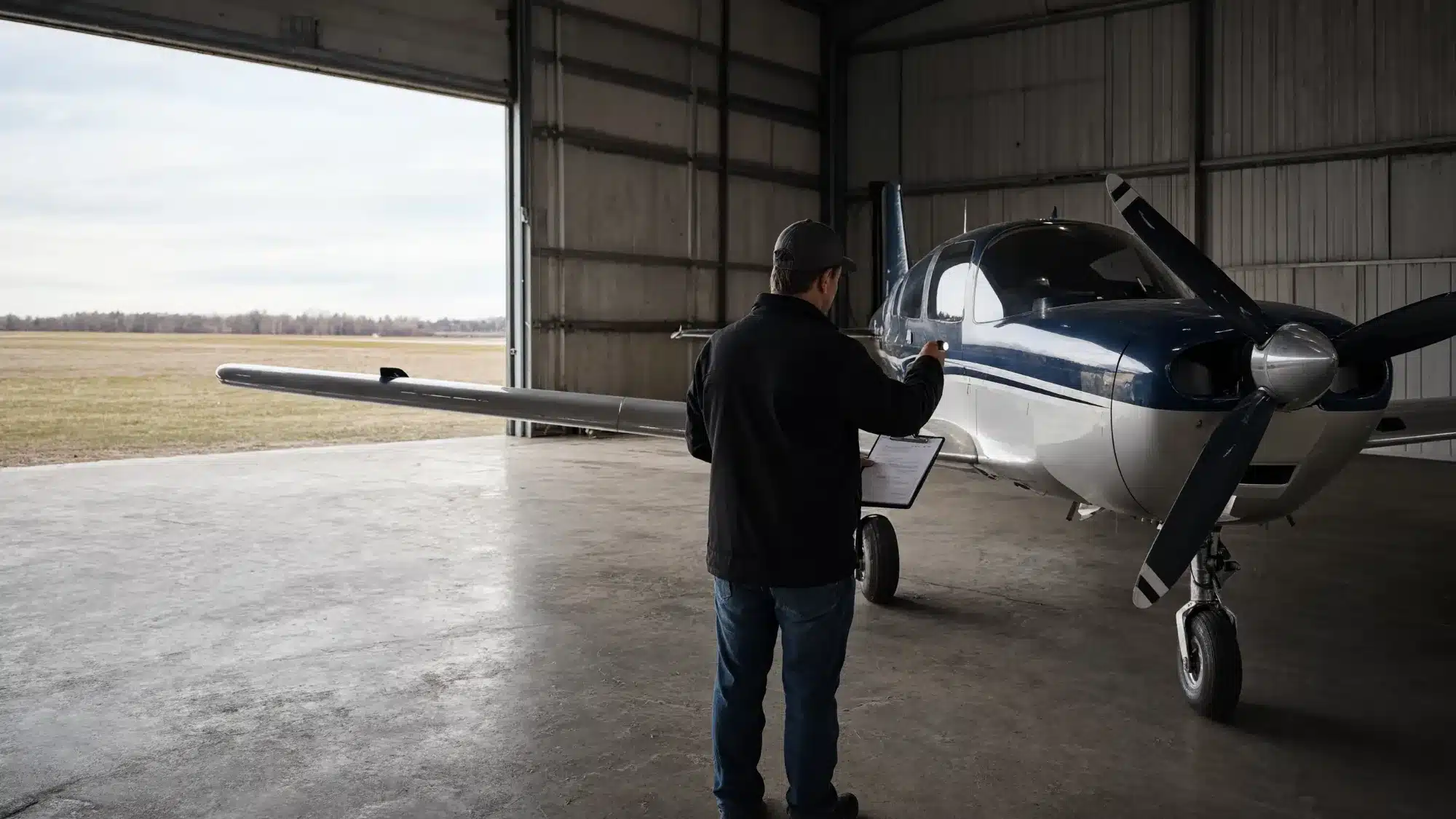
Expect the appraiser to want to see the aircraft, or at least thorough photographs, and to want the logs. Arrange access before the aircraft leaves; an appraisal of an aircraft that has already gone is harder to defend.
What the report should contain
- A description of the aircraft specific enough to identify it: make, model, serial number, N-number, hours and condition.
- The date of the appraisal and the date or expected date of the contribution.
- The appraised fair market value and the valuation method and basis, with the comparables relied on.
- The appraiser’s qualifications, credentials and experience with this type of property.
- A statement that the appraisal was prepared for income tax purposes, and the appraiser’s signature and declaration.
- Any conditions or limitations, including missing records or unverified times.
A two-page letter with a number and no reasoning is the kind of appraisal that fails under examination. The report is the argument, not the conclusion.
When you do not need an appraisal
More often than donors expect. Where we sell the aircraft and the deduction is limited to gross proceeds, the amount is an observed transaction price reported on Form 1098-C, and there is no valuation to appraise. That covers most of what comes through here.
The appraisal becomes necessary when the claim rests on fair market value rather than proceeds — principally where we retain the aircraft for a significant charitable use, such as a maintenance training airframe, and certify that intervening use. It also applies where the donor claims above $5,000 on a basis other than proceeds. If you are not sure which case you are in, ask us before you engage an appraiser; the answer depends on the destination of the aircraft, and we will know it early.


Substantiation checklist
Over $5,000 in claimed value for a noncash contribution requires a qualified appraisal and Form 8283 Section B, signed by the appraiser and by us as the donee. Over $500,000, attach the appraisal itself to the return. Similar items are aggregated for the threshold, which is the trap on parts and avionics donations.
Check the disqualifiers before the fee is paid: the appraiser must be independent of the donor, the charity and the transaction; the appraisal must be made no earlier than 60 days before the contribution date and received by the due date of the return with extensions; and a fee contingent on the appraised amount disqualifies the appraisal.
Where the aircraft is sold, the deduction is generally limited to gross proceeds per Form 1098-C and the appraisal question often falls away. Where we retain it for a significant charitable use, we certify that intervening use and the fair market value claim stands on the appraisal. The appraisal fee is a cost of substantiation, not part of the contribution.
Authority: IRS Publication 526 on charitable contributions, Publication 561 on valuation, plus the Form 1098-C and Form 8283 instructions. Nothing here is tax advice — confirm the figures with your own CPA. How the deduction works →
Related reading
Ask before you engage an appraiser
We can usually tell you early whether your aircraft is heading for a sale or for retained charitable use, which decides whether you need an appraisal at all.