

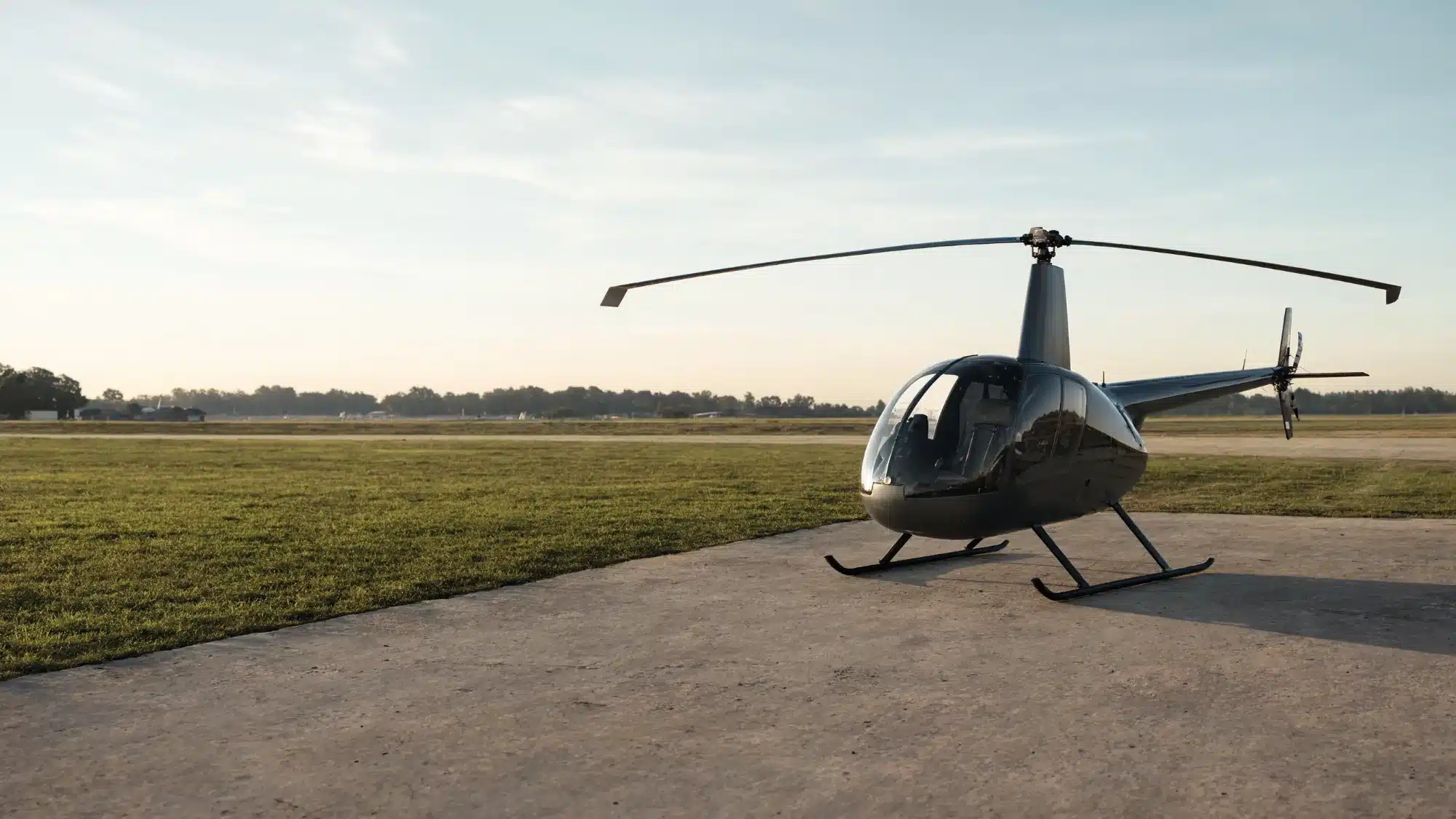
R22s and R44s from schools that closed or reorganized, 206s from tour and utility operators, the occasional Schweizer or Enstrom from a private owner who stopped flying. Rotorcraft have hard limits on airframe as well as engine, and components that expire on the calendar whether the aircraft moves or not. That is what drives most of these donations, and none of it is a problem here.
What we take care of
Rotorcraft time out on the calendar whether anyone flies them or not. We handle every part of getting it out, including the parts that need an A&P who knows the type.
What shapes the plan for your helicopter
Three things, in this order.
Component times. Main rotor blades, hub, mast, tail rotor and gearboxes each carry their own limits. Rough numbers are fine — on a Robinson, the twelve-year is the one everybody already knows. If you have no idea, we will read the records ourselves.
Engine and drivetrain. Time since overhaul matters more than total time, and any chip light history is worth mentioning. A helicopter that has been sitting gets a drivetrain inspection before anyone turns the rotor. We arrange that, not you.
Damage and dynamic components. A sudden stoppage, hard landing or blade strike changes the status of every dynamic component. If it happened, tell us — the records show it anyway, and nothing you disclose will unwind the donation later.
How rotorcraft move
Helicopters are rarely ferried far. Most move by truck: blades removed and crated, fuselage on a cradle or trailer. We handle disassembly with an A&P who has worked the type, so the aircraft arrives ready to be inspected rather than ready to be argued about.
Maintenance training programs are the most common destination for airframes past economical overhaul. A timed-out helicopter is an excellent teaching tool, and that use can change the basis of your deduction.


Tell us about the helicopter
Three short steps. Only your name, phone and email are required — everything after that you can answer from memory, skip, or leave to the phone call. Nothing here commits you to anything. We carry the cost of pickup, transport and filing; an appraisal, where one is required, is the donor's own expense.
Rather talk it through? (888) 228-7320
An intake coordinator reads every submission and calls you back. We never sell or share your information.
What you can deduct for a helicopter
Helicopters go two ways. Airframes with life left are sold, and your deduction is the gross proceeds. Timed-out airframes frequently go to maintenance schools as instructional equipment, which is significant intervening use and is valued by appraisal instead. Which path yours takes is knowable early, and we will tell you.
| Situation | Deduction basis | Documents |
|---|---|---|
| Sold with life remaining on components | Gross proceeds of the sale | Form 1098-C within 30 days of sale |
| Taken by a maintenance school as instructional equipment | Qualified appraised value, as significant intervening use | 1098-C with the intervening-use certification |
| Timed-out airframe recovered for parts | Proceeds of the recovered components | 1098-C reflecting the recovery |
| Operator-owned and depreciated | Limited to adjusted basis; recapture applies | Your CPA should confirm before you assume a figure |
Giving Center cannot value your aircraft and cannot hire your appraiser — the IRS requires that independence, and above $5,000 the qualified appraisal is the donor's responsibility and expense. Rules for vehicle and aircraft gifts are set out in IRS Publication 526, valuation in Publication 561, and the acknowledgment requirement in the Form 1098-C instructions. Claims above $5,000 also need Form 8283 Section B. Nothing here is tax advice; confirm your own figures with your CPA. Full tax detail · FAA paperwork
Models in this class


Related situations: no logbooks · damaged or AOG · inherited aircraft · aircraft with a lien
Ready when you are
Type, hours, logs and where it sits. That is enough for a real answer on the first call. Pickup, transport and filing are ours to cover.