
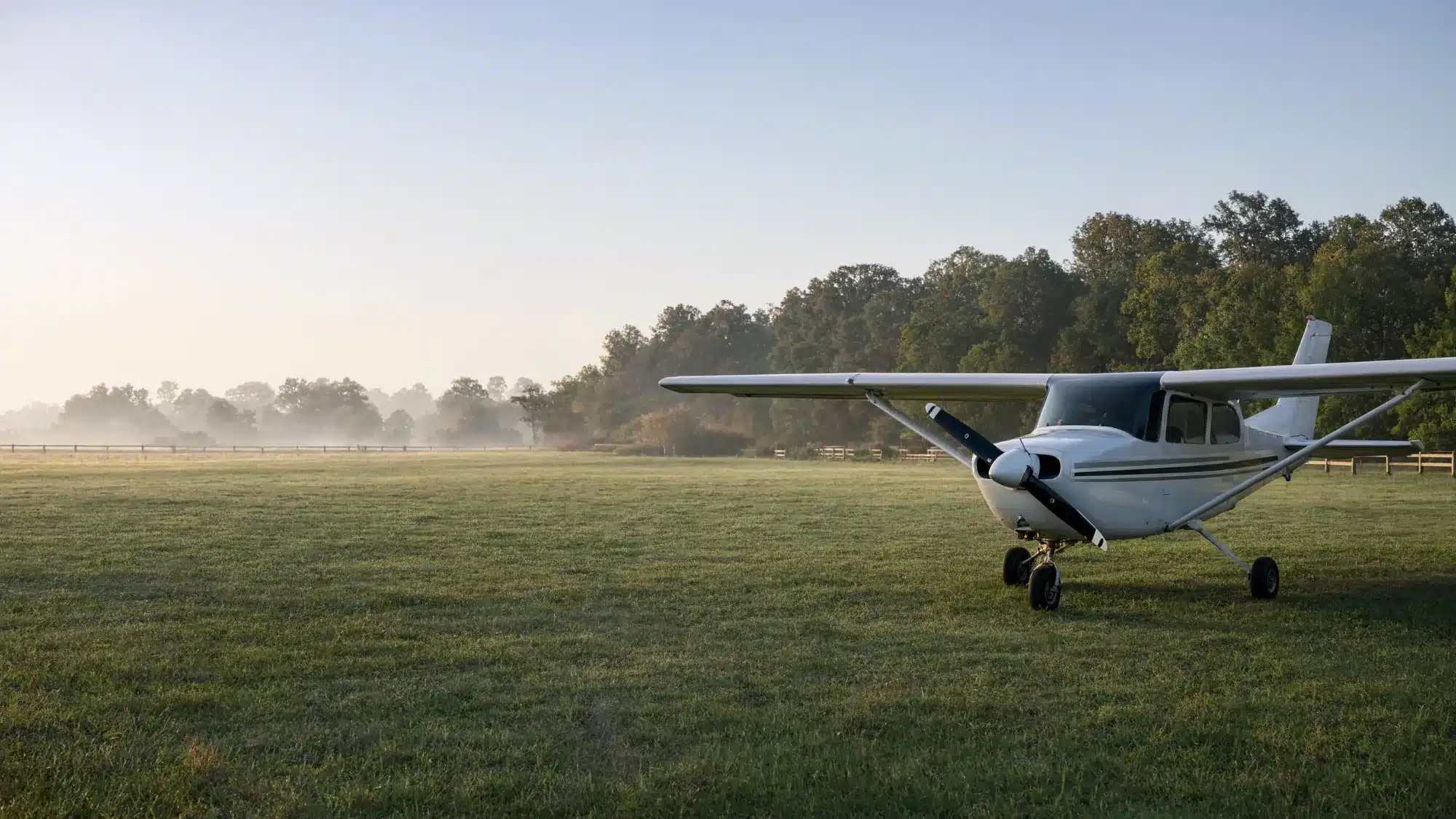
Most owners reach us for one of a few reasons. A medical did not renew. A partnership dissolved. A parent died and left an airplane nobody in the family is rated to fly. Or the annual came due at the same time as the engine, and the number was more than the airplane is worth. None of those is a situation you need to explain twice here — we have handled each of them many times, and there is no wrong condition to call us in. Cessna 172s and 182s, Cherokees and Archers, Bonanzas, Mooneys, Skylanes on their third engine, Tri-Pacers with a flat strut and a dead battery. We take them all, and we take them as they sit.
What we take care of
From the first call to the acknowledgment letter, the work is ours. You are not asked to arrange anything or get the airplane ready. We carry the cost of pickup, transport and the FAA filing; the only expense that can fall to you is a qualified appraisal, if your claim needs one.
What shapes the plan for your airplane
Three things, in this order.
Engine time. A Lycoming or Continental at or past recommended TBO changes who buys the airplane, not whether we take it. Tell us roughly what you know — SMOH, and whether it was a field overhaul, a factory reman or a top — and if it has been sitting, how long. You do not need to look anything up before calling; if the logs are in the hangar and you are not, we can work from what you remember and confirm later.
Logbooks, or not. Complete airframe, engine and propeller logs give the airplane the widest market. Partial logs or none at all is a situation we see constantly, and it has never once stopped a donation — it only changes where the airplane goes, usually to a rebuilder or a school rather than a private buyer. Do not spend a weekend searching the house before you call us.
Damage history and corrosion. A repaired gear-up landing with proper 337s and a signed-off inspection is a known quantity. Unrecorded damage is not. Coastal tie-down aircraft, older Cessnas with corrosion in the carry-through spar and Piper wing spar AD compliance are all things we ask about on the first call, not after the ferry pilot arrives.
Condition sets our plan, never the answer
If the airplane is airworthy with a current annual, the ferry pilot flies it out — usually within two to three weeks of signed paperwork, weather permitting. If the annual has lapsed but the aircraft is otherwise sound, we arrange a special flight permit through the local FSDO, which needs an inspection and a logbook entry from a mechanic before the permit will be issued. If it is a project, disassembled, or damaged past a ferry permit, it goes on a truck. Wing removal, rigging, crating and transport are on us.
If there is hangar rent running, say so on the first call and we will schedule around the meter — for most donors that is the single largest saving in the whole process, and it is the part we move fastest on. Tie-down aircraft in a hard winter get the same priority.


Tell us about your airplane
Three short steps. Only your name, phone and email are required — everything after that you can answer from memory, skip, or leave to the phone call. Nothing here commits you to anything. We carry the cost of pickup, transport and filing; an appraisal, where one is required, is the donor's own expense.
Rather talk it through? (888) 228-7320
An intake coordinator reads every submission and calls you back. We never sell or share your information.
What you can deduct for a single-engine airplane
Most single-engine pistons are sold to another owner, which means your deduction is the price the airplane actually brings, not an estimate anyone made beforehand. Trainers that go to a flight school or an A&P program are the common exception, and that path is worth asking about, because it is valued differently.
| Situation | Deduction basis | Documents |
|---|---|---|
| Sold with life remaining on components | Gross proceeds of the sale | Form 1098-C within 30 days of sale |
| Taken by a maintenance school as instructional equipment | Qualified appraised value, as significant intervening use | 1098-C with the intervening-use certification |
| Timed-out airframe recovered for parts | Proceeds of the recovered components | 1098-C reflecting the recovery |
| Operator-owned and depreciated | Limited to adjusted basis; recapture applies | Your CPA should confirm before you assume a figure |
Giving Center cannot value your aircraft and cannot hire your appraiser — the IRS requires that independence, and above $5,000 the qualified appraisal is the donor's responsibility and expense. Rules for vehicle and aircraft gifts are set out in IRS Publication 526, valuation in Publication 561, and the acknowledgment requirement in the Form 1098-C instructions. Claims above $5,000 also need Form 8283 Section B. Nothing here is tax advice; confirm your own figures with your CPA. Full tax detail · FAA paperwork
Models in this class
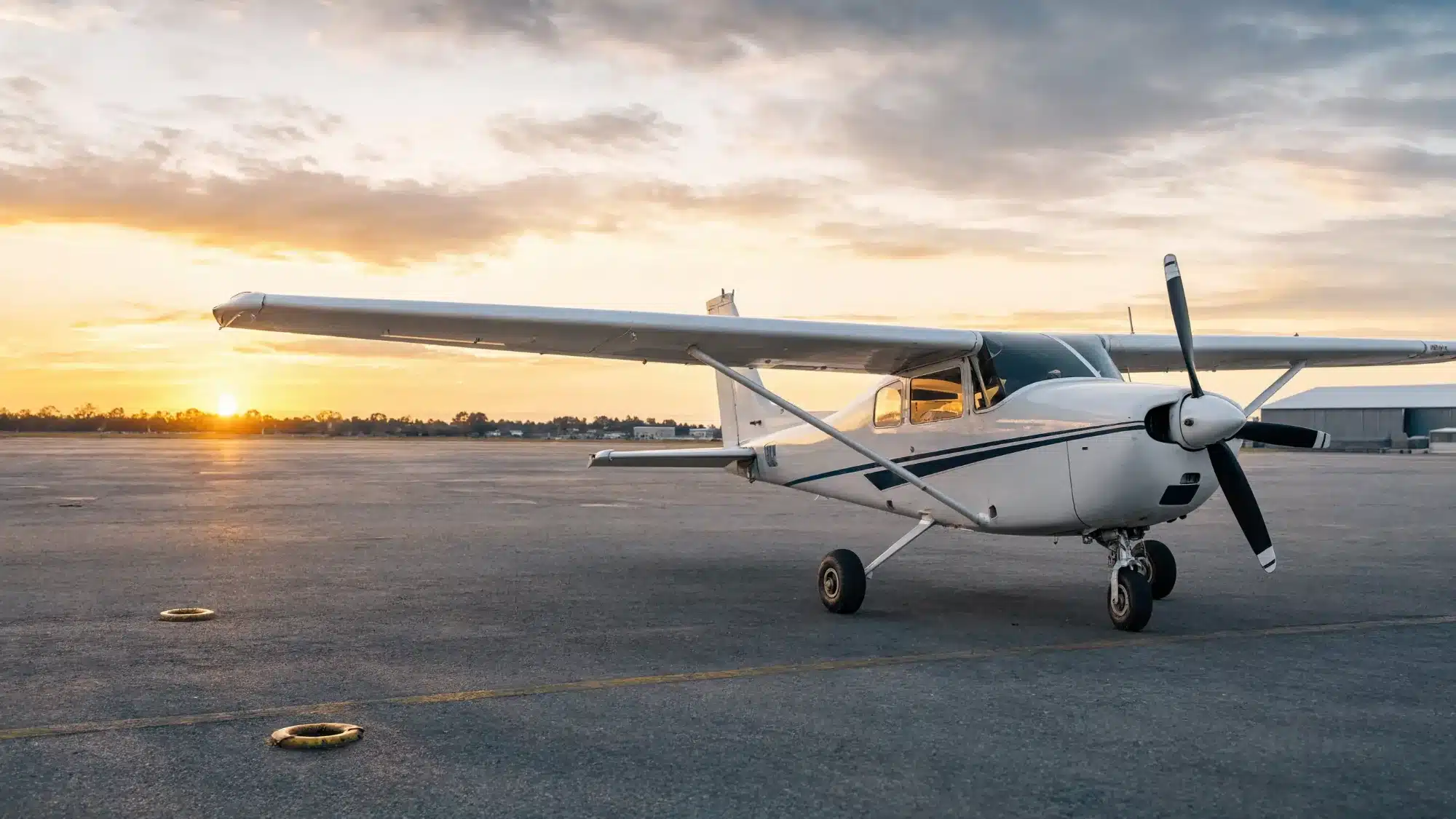
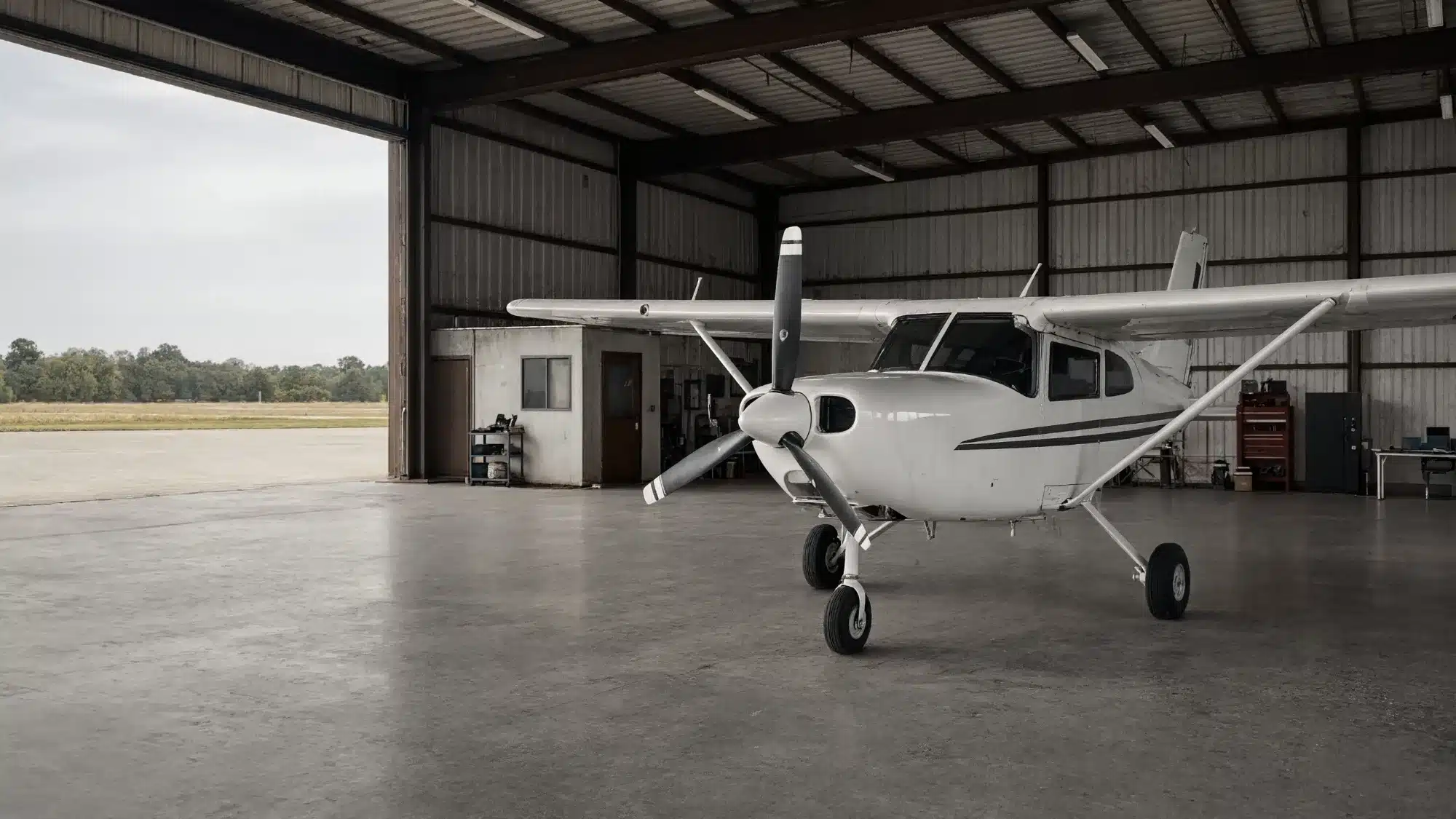
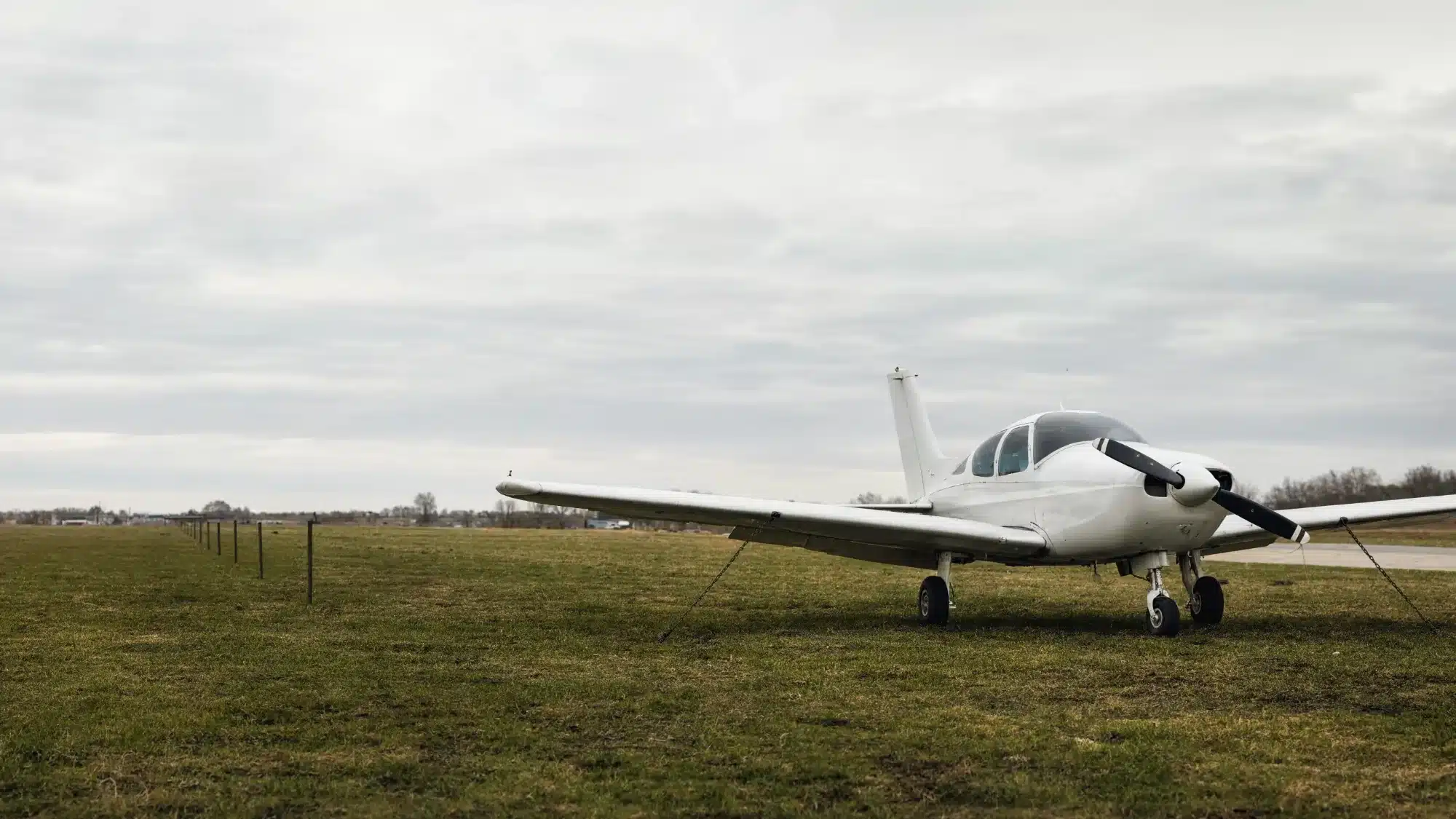
Related situations: no logbooks · damaged or AOG · inherited aircraft · aircraft with a lien
Ready when you are
Type, hours, logs and where it sits. That is enough for a real answer on the first call. Pickup, transport and filing are ours to cover.