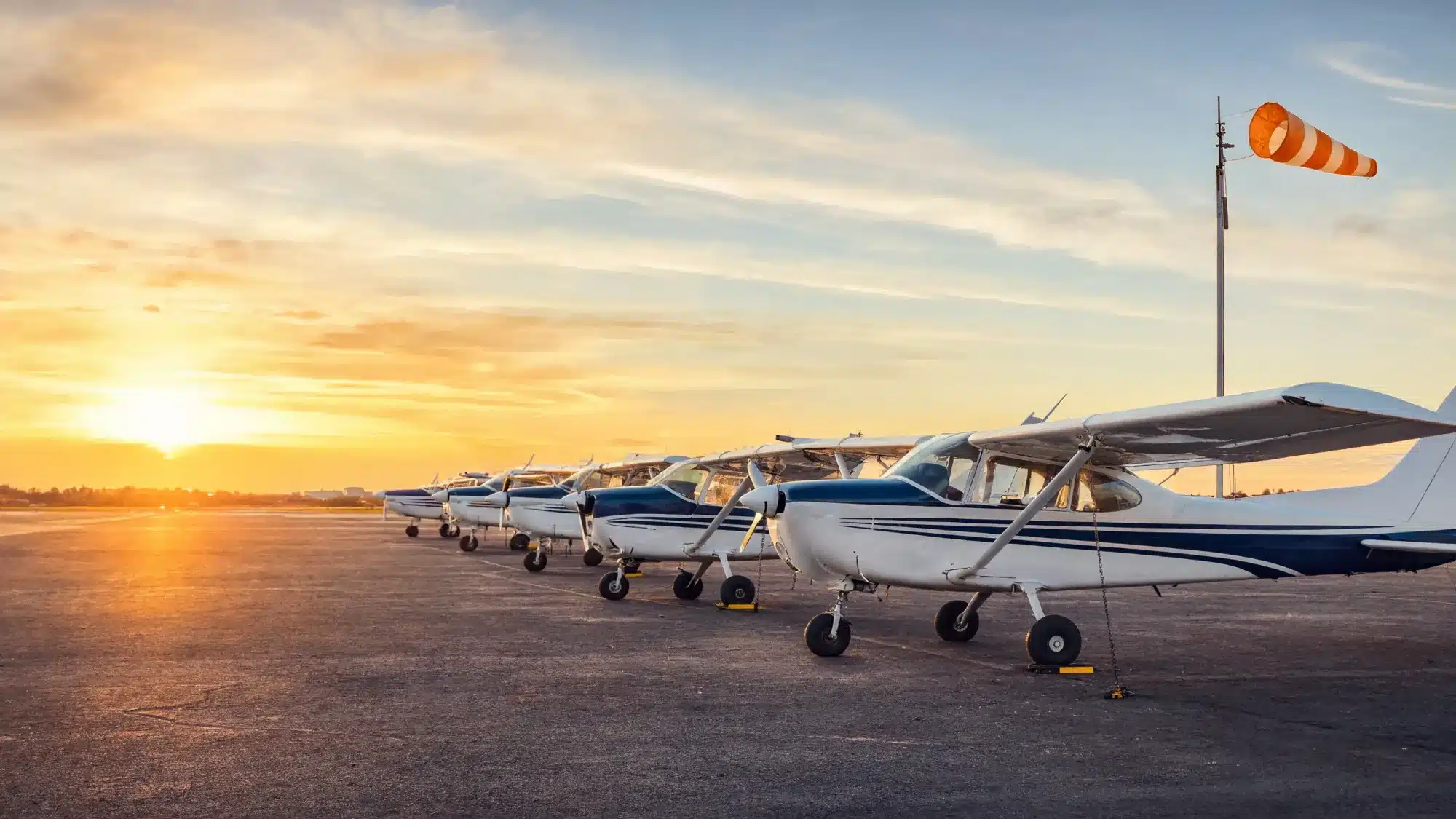
Flight schools run their aircraft hard and replace them on a schedule, which leaves a predictable residue: the 172 that keeps failing its 100-hour, the twin nobody rents since the multi program changed, the two airframes kept for parts that now need parts themselves. Donating is often cleaner than a private sale, because the buyer for a high-time trainer is the same small pool the school already sells to, and because a school knows exactly what its downtime costs. This page is written for the operator and for the accountant who will book it.
Why a trainer comes off the line
The reasons repeat across operators, and none of them are about the aircraft being bad.
- Utilization economics. A high-time airframe consumes 100-hour inspections and unscheduled maintenance faster than it generates revenue, and the moment it stops flying it becomes pure carry.
- Fleet standardization. Moving to a single type, or to glass panels, orphans one or two airframes that are perfectly sound but no longer fit the curriculum.
- Insurance and pilot supply. Coverage terms and instructor availability can quietly retire a type, particularly light twins and tailwheel trainers.
- Parts airframes that accumulated. The hangar has two donor airframes nobody has touched in three years and they are occupying revenue space.
Several aircraft at once
Multi-aircraft donations are ordinary here and they are scheduled as a program rather than as separate pickups. We will normally take the fleet in waves so the school keeps flying: the aircraft you can least afford to have sitting goes first, and the parts airframes go last.
Aircraft still on lease, subject to a lien, or owned by a different entity from the one operating them all need to be identified early. Mixed ownership across a fleet is common and entirely workable — it just has to be mapped before anything is signed.
What school records are worth
Training fleets keep better records than private owners, and it pays off here. Continuous 100-hour inspection history, a maintenance tracking system, and consistent squawk records tell a buyer exactly what they are getting, which is unusual for a high-time airframe.
High time is not the same as worn out. A trainer with 9,000 hours and a documented inspection history is a known quantity. Buyers and schools discount unknowns, not hours.
Engine history is the number. Time since overhaul, the overhaul type, cylinder work and whether the engine has been run continuously rather than sitting. School aircraft tend to be strong here, because they fly.
Panel and mandate status. ADS-B Out, and whether the panel is legacy vacuum, a retrofit or factory glass. This decides whether the aircraft goes to another operator or to a maintenance program.
Timing around the school calendar and the tax year
Two clocks matter. The first is yours: pickups scheduled around checkride season, the summer peak or a Part 141 curriculum change rather than against them. The second is the tax year — title transfer and delivery are what set it, so a December deduction needs the work started in the autumn, not on the 20th. See how the deduction works.
If a lender holds a lien on an airframe, the release has to be recorded before the transfer completes, and lenders move at their own pace. That is the item most likely to push a donation into the following tax year, so it goes first on the list.
Where school aircraft go
- Other training operators. A sound trainer with clean records often goes straight back on line somewhere with a different cost structure.
- Maintenance schools. An airframe past economical repair is the single most useful thing an A&P program can be given: complete, systems intact, and safe to take apart.
- Youth aviation programs. Ground-school airframes and build projects for chapters and STEM programs.
- Parts recovery. Engines, panels and control surfaces keep the rest of somebody’s fleet in the air.
How they leave the field
School aircraft are more likely than most donations to be flyable, which makes this the easy part. With a current inspection, our ferry pilot flies it out. With a lapsed annual on an otherwise sound airframe, we arrange the mechanic’s inspection and a special flight permit. Parts airframes and anything with damage history that makes a ferry unwise go on a flatbed with the wings off. Every route is at our cost, including disassembly and rigging.


Business donors: basis, recapture and limits
A fleet aircraft is usually depreciated business property, and that changes the arithmetic. Under the ordinary-income reduction rule, a contribution of property that would produce ordinary income if sold — including depreciation recapture — is generally reduced by that amount, which frequently brings the deduction down toward adjusted basis. This is the single most important item on this page for a school’s accountant, and it is why the aircraft’s depreciation schedule should be on the table from the start.
Deduction limits depend on the entity. A C corporation’s charitable deduction is generally capped at 10 percent of taxable income with a carryforward; for a partnership, S corporation or LLC the contribution passes through to the owners and is limited at the individual level. Which entity on the registration actually makes the gift therefore matters as much as the aircraft’s value.
Mechanics are otherwise standard: Form 1098-C on sale, Form 8283 with Section B and a qualified appraisal above $5,000, per aircraft. Where several airframes are donated in one year the aggregation rules apply across similar items. The appraisal is obtained by the donor from an appraiser independent of the charity.
Authority: IRS Publication 526 on charitable contributions, Publication 561 on valuation, plus the Form 1098-C and Form 8283 instructions. Nothing here is tax advice — confirm the figures with your own CPA. How the deduction works →
Related reading
Send the fleet list
N-numbers, hours and which airframes you need gone first. We will come back with a schedule that keeps your flight line working.