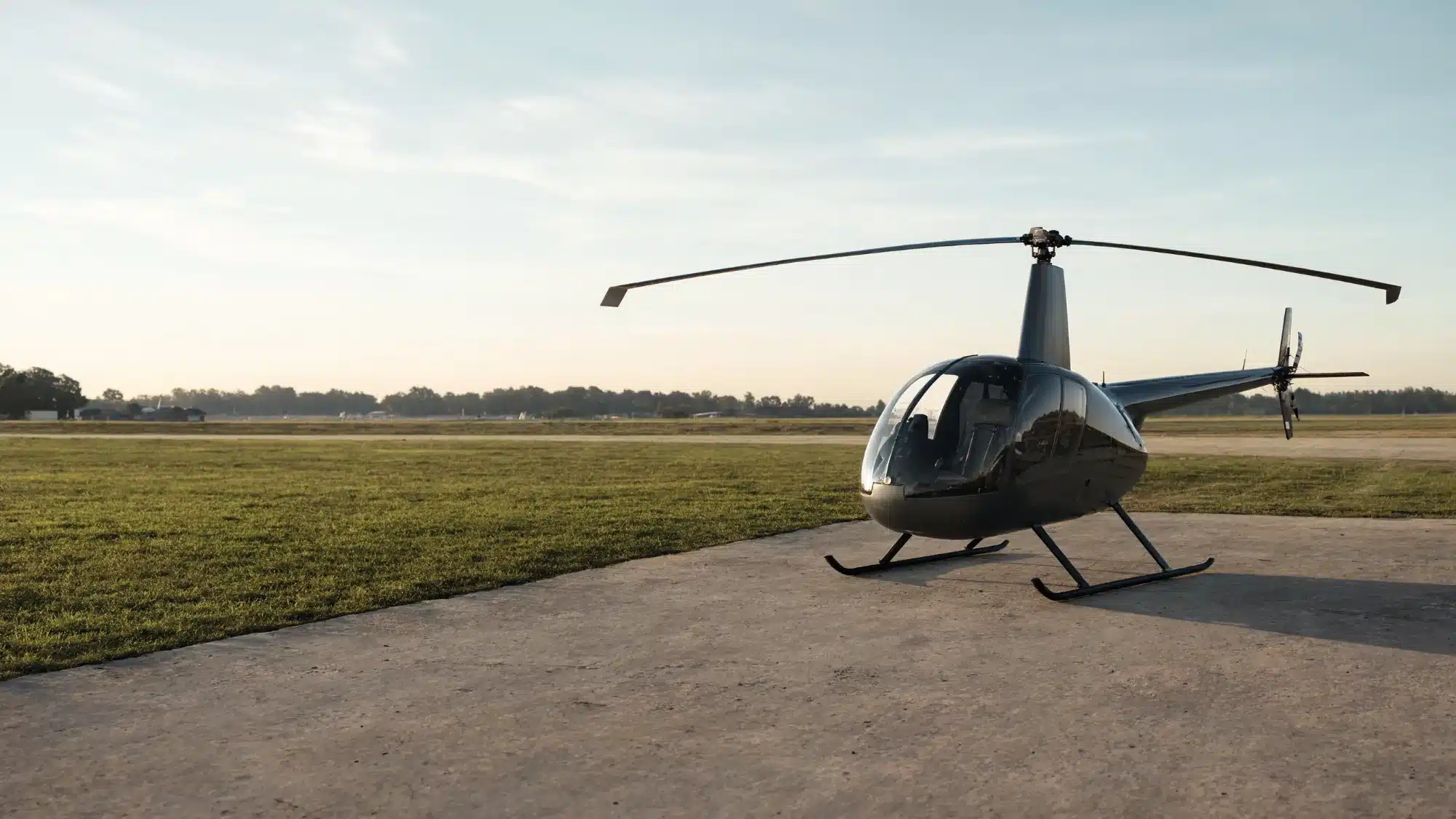
R22s reach us from flight schools that closed or reorganized, and from private owners who bought one to build hours and stopped. The twelve-year inspection is what drives most of these donations: the aircraft is grounded by a calendar, not a fault, and the inspection can cost more than the market will return on an older airframe. A typical donation is a 1980s or 1990s Beta or Beta II with mid-time or timed-out components, a lapsed twelve-year, and a year or more of sitting.
What moves the number on an R22
The twelve-year, and where it sits. Robinson's 2,200-hour or twelve-year overhaul, whichever comes first, is the single number that decides an R22's fate. Past due and unfunded is the most common reason these arrive, and it is not a disqualifier — it points the airframe toward a maintenance program rather than a private buyer.
Dynamic component times. Main rotor blades, hub, mast, tail rotor and the drive system each carry their own limits. Approximate hours are fine, and if you have the component status page, that answers most of it in one sheet.
Engine condition and how long it has sat. Time since overhaul on the O-320 or O-360, plus how long since it last ran. A helicopter that has been sitting gets the drivetrain looked at before anyone turns the rotor — we arrange that inspection, not you.
Damage and sudden stoppage history. Any hard landing, blade strike or sudden stoppage changes the status of every dynamic component. If it happened, the records will show it. Telling us early shapes the plan; it will not unwind the donation later.
How an R22 gets to us
Almost always by road. Blades come off and are crated, the fuselage goes on a cradle or trailer, and the work is done by an A&P who has worked the type rather than a general mechanic. We bring the trailer, the cradle and the crew, and cover the cost including a crane if the site needs one. Ferry flights happen occasionally, but only where the aircraft is genuinely current and the distance is short.
What the first call covers


What you can deduct for this aircraft
R22s split along the twelve-year. An airframe with life remaining sells to another owner or school, and your deduction is the gross proceeds on Form 1098-C. A timed-out R22 more often goes to a maintenance program as instructional equipment, which is significant intervening use and rests on a qualified appraisal instead. That second route frequently produces the better deduction on an aircraft that would have sold for very little.
Above $5,000 you will need a qualified appraisal and Form 8283 Section B, which we sign as the recipient charity. School-owned aircraft that were depreciated should go past your CPA first.
Rules for aircraft gifts are in IRS Publication 526, valuation in Publication 561. Nothing here is tax advice — confirm your figures with your CPA. How the deduction works · FAA paperwork
Other models in this class
Start with the N-number
We will pull the registry record before we call you back.