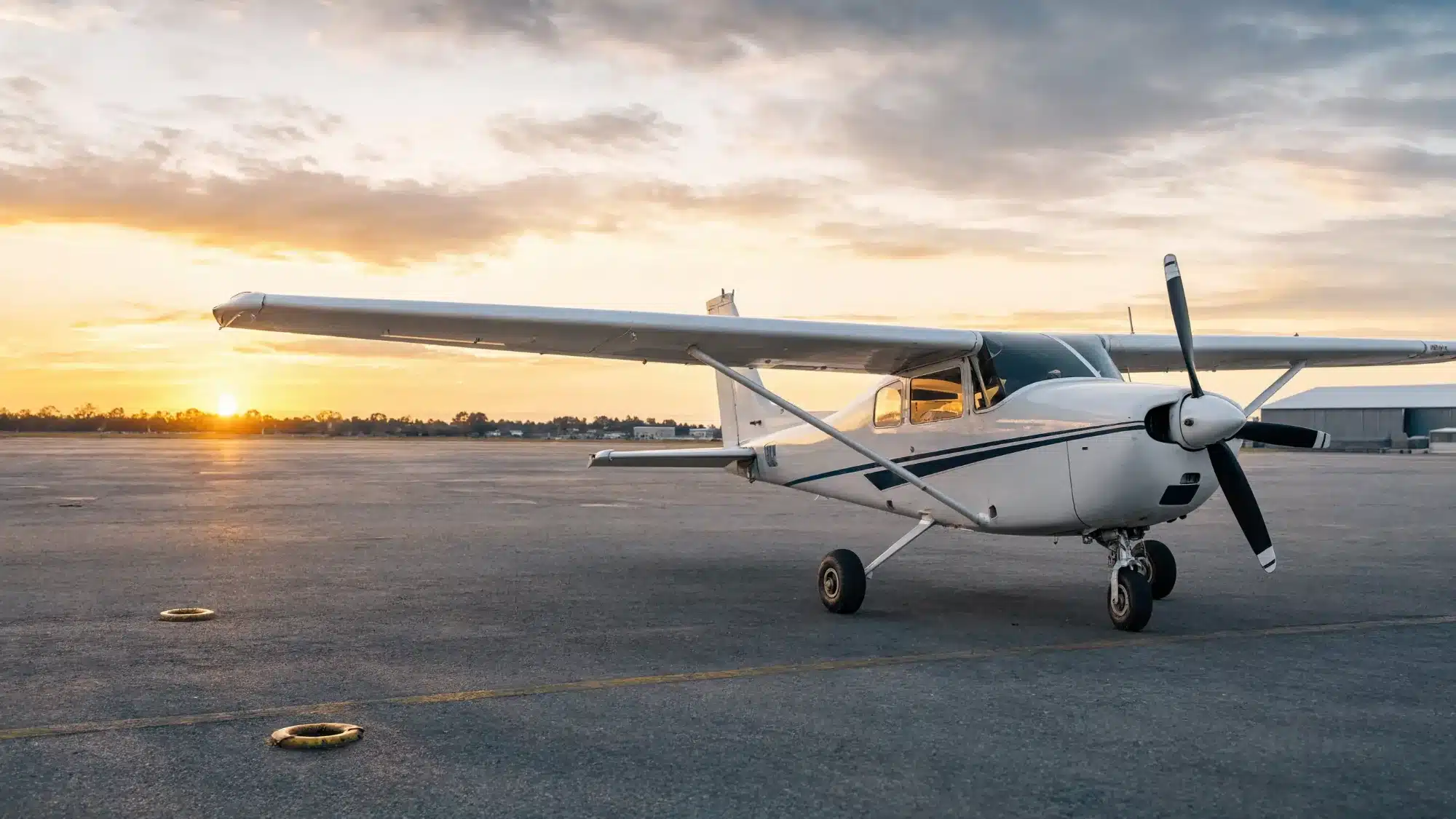
There are more 172s in the fleet than anything else with a propeller, so there are more of them sitting. The typical donation is a 1970s or 1980s Skyhawk with a mid-time or run-out O-320 or O-360, a partial avionics upgrade from ten years ago, and an annual that expired somewhere between last spring and four years ago. The owner has moved, stopped flying, or inherited it and does not want to learn the paperwork.
What moves the number on a 172
Engine time and what kind of overhaul. Lycoming O-320 and O-360 variants run a 2,000-hour recommended TBO. A field overhaul at 1,400 SMOH and a factory reman at 1,400 SMOH are not worth the same, and calendar time matters as much as hours on an engine that has been sitting. We ask for the date and the shop, not just the number.
Avionics and ADS-B. ADS-B Out compliance is the first thing a buyer checks. A panel with a certified GPS navigator and a current transponder puts the aircraft in front of a different set of buyers than a vacuum panel with a handheld velcroed to the yoke. Either is fine; tell us which.
Corrosion and the usual inspections. On older Skyhawks we look at the carry-through spar, the lower firewall, the seat rail wear that has its own AD, and any float or coastal history. Seat rails and the McFarlane fix are routine; unrecorded corrosion is not.
Logs. Airframe, engine and prop, with AD compliance and every 337 for the STCs — auto-gas, tip tanks, a 180 hp conversion, a STOL kit. Conversions add value only when the paperwork is with them.
How a 172 gets to us
If it has a current annual and flies, the ferry pilot picks it up. If the annual is out, the usual route is a mechanic's inspection and logbook entry, then a special flight permit from the FSDO — a 172 is about the most straightforward ferry permit there is. If it has been outside for years, has a bad spar or a damaged gearbox of a landing in its recent past, wings come off and it rides on a trailer. None of that is billed to you.
What the first call covers


What you can deduct for this aircraft
Most 172s in flying condition sell to another private owner, so your deduction is the gross proceeds — the actual sale price, reported to you on Form 1098-C within 30 days. Trainers that instead go to a flight school or an A&P program are retained and used, which is valued by qualified appraisal. Above $5,000 you will need that appraisal dated within 60 days before the donation plus Form 8283 Section B, which we sign as the recipient charity. Airframes with no logs or an open AD frequently land below the threshold, where no appraisal applies.
That appraisal is yours to obtain and pay for; we sign Section B as the recipient charity and cannot select your appraiser.
Rules for aircraft gifts are in IRS Publication 526, valuation in Publication 561. Nothing here is tax advice — confirm your figures with your CPA. How the deduction works · FAA paperwork
Other models in this class
Start with the N-number
We will pull the registry record before we call you back.