

The 20, 30 and 50 series aircraft we are offered are usually grounded by economics rather than damage: a mandate, an engine event, or an inspection that costs more than the market returns. Meanwhile demand for Learjet components stays genuinely strong, which makes these airframes useful even when they will never fly again. Estates, dissolved flight departments and operators consolidating fleets account for most of what arrives.
What moves the number on a Learjet
Engine status. Time since overhaul or hot section on each engine, and program enrollment where it exists. On the older aircraft the engines frequently carry more value than the airframe, which shapes the whole plan.
Mandate and AD exposure. Avionics mandates and structural ADs on the earlier series regularly exceed market value. This is the most common reason a Learjet is donated, and it points the aircraft toward component recovery rather than a ferry flight.
Cycles and life-limited items. Learjets live on cycles. Document total cycles alongside hours, plus the status of life-limited components, because that is what a buyer or a teardown estimator works from.
Records and traceability. Complete back-to-birth documentation on life-limited parts is what separates a saleable airframe from a parts donor. Gaps are common on aircraft of this age and do not stop a donation.
How a Learjet gets to us
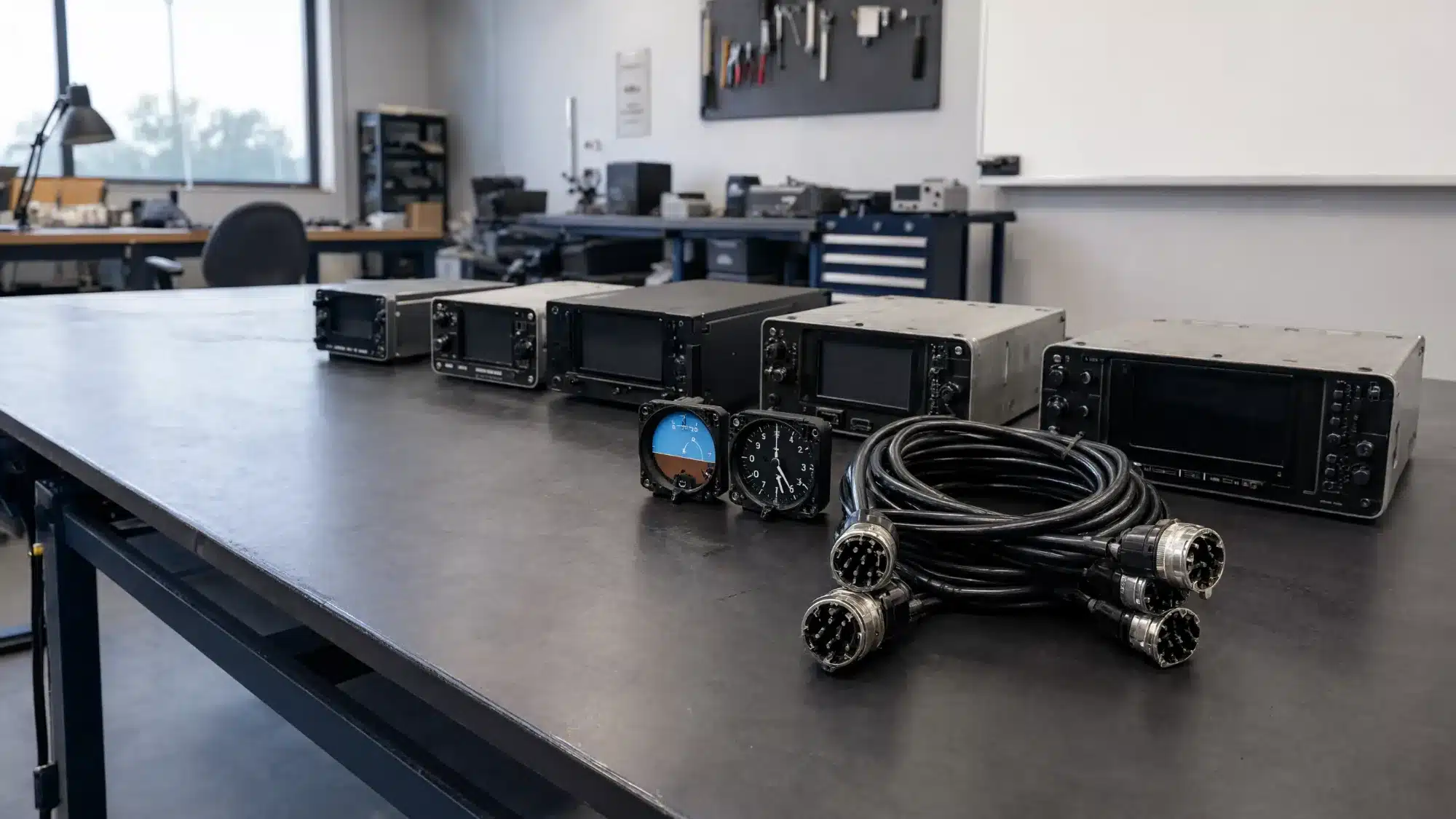
If the aircraft is airworthy, our type-rated crew flies it out under our coverage. If it is not economically airworthy — the usual case with the earlier series — we recover the engines, APU, avionics and gear, and the hulk is dismantled and recycled. Either way the aircraft leaves your ramp and the fees stop. Liens, leases and fractional interests are resolved before anything moves, so nothing rebounds to you afterwards.
What the first call covers

What you can deduct for this aircraft
Learjets more often than not take the component-recovery route, where your deduction is the proceeds of the recovered engines, avionics, APU and gear rather than a whole-aircraft sale price. That figure is itemised and reported on Form 1098-C the same way a sale is. Where the aircraft is airworthy enough to sell intact, the deduction is the gross proceeds of that sale.
A qualified appraisal and Form 8283 Section B apply above $5,000, which is every aircraft in this class, and depreciated corporate ownership should be reviewed by your CPA before you assume a figure.
Rules for aircraft gifts are in IRS Publication 526, valuation in Publication 561. Nothing here is tax advice — confirm your figures with your CPA. How the deduction works · FAA paperwork
Other models in this class
Start with the N-number
We will pull the registry record before we call you back.