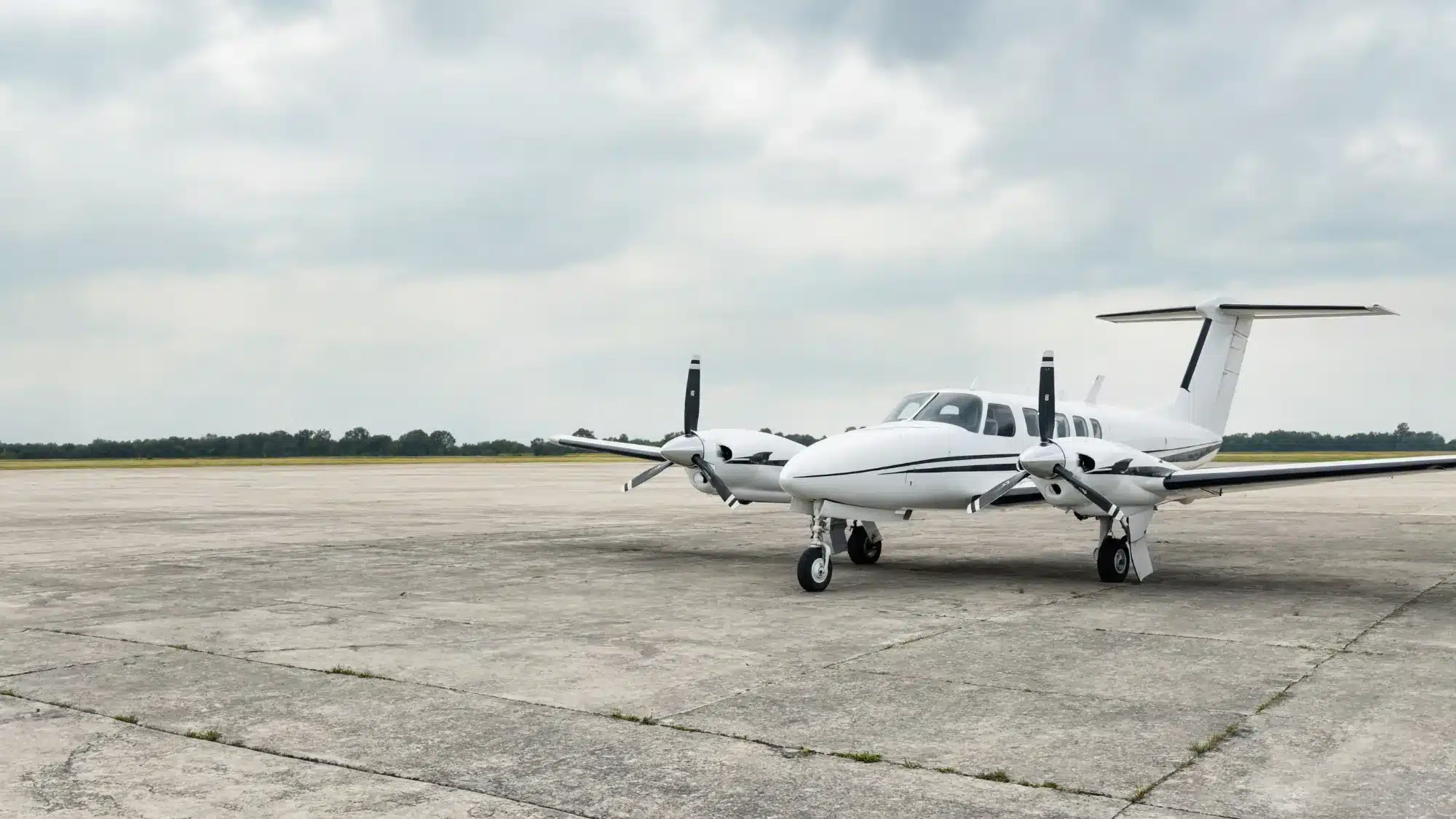
Senecas come from two directions: private owners who stopped flying, and schools that reorganized their multi-engine program. The II and III models with turbocharged TSIO-360s dominate what we see, and turbos accumulate deferred maintenance quickly once an airplane stops earning. A typical donation has mid-time or runout engines, one panel upgrade, and an annual that lapsed between one and five years ago. Because multi-engine trainers are genuinely in demand, a Seneca is a strong candidate for the retained-and-used route rather than a straight sale.
What moves the number on a Seneca
Turbo engines and their real condition. TSIO-360 variants carry an 1,800-hour recommended TBO, and turbochargers, wastegates and exhaust systems are where deferred maintenance shows first. Approximate SMOH on both engines is enough to start; we inspect the turbo system before anyone plans a ferry.
Counter-rotating props. The later Senecas run counter-rotating propellers, which affects who wants the airframe and what the parts are worth. Tell us the model and we will know. Two propeller overhaul calendars also apply, and on a parked aircraft they have usually run out.
Training fleet suitability. A Seneca with a serviceable airframe and reasonable logs is exactly what a multi-engine program needs. If yours is that aircraft, the intervening-use route may apply, which changes your deduction from proceeds to appraised value. Worth asking on the first call.
Gear, spar and the Piper specifics. Retractable gear hoses and actuators, the wing spar area, fuel bladders, and corrosion from outdoor storage. None of this has stopped a Seneca donation; it decides whether the aircraft flies out or trucks.
How a Seneca gets to us
With a current annual and two engines making rated power, a multi-rated ferry pilot flies it out. Out of annual, we arrange the mechanic, the logbook entry and the special flight permit through the FSDO. Where the turbo system is suspect or the aircraft has sat outdoors for years, it goes on a truck with the wings removed by our crew. Every route is at our cost.
What the first call covers


What you can deduct for this aircraft
Senecas split more evenly than most types. A sound airframe taken by a multi-engine training program is retained and used, and your deduction rests on a qualified appraisal rather than a sale price — usually the better outcome. An aircraft with tired turbos and no school interest sells, making the deduction the gross proceeds on Form 1098-C. We tell you which route yours is on before anything is signed.
Above $5,000 you will need a qualified appraisal and Form 8283 Section B, which we sign as the recipient charity.
Rules for aircraft gifts are in IRS Publication 526, valuation in Publication 561. Nothing here is tax advice — confirm your figures with your CPA. How the deduction works · FAA paperwork
Other models in this class
Start with the N-number
We will pull the registry record before we call you back.