
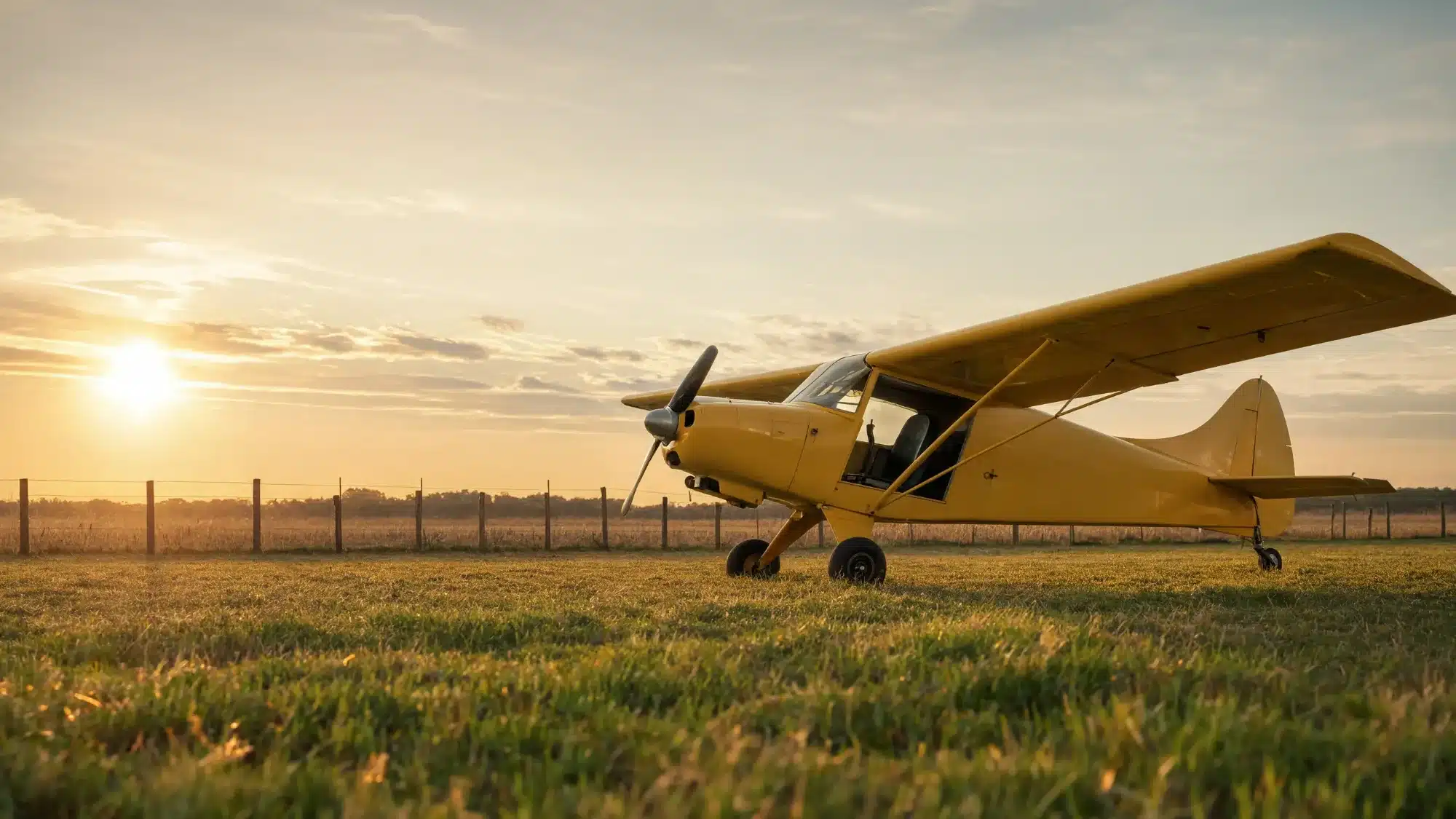
J-3s arrive from owners who have stopped flying, from estates, and very often as half-finished restorations that stalled when circumstances changed. Nobody here needs an explanation for an unfinished Cub. These are simple aircraft with a devoted following and a strong parts supply, which means almost every J-3 has a future somewhere — the variable is whether it flies again soon or teaches somebody to rebuild first.
What moves the number on a J-3
Fabric and recover history. Covering process, approximate date and who did the work. Fabric on a Cub is a manageable job compared with a biplane, which keeps even a tired airframe attractive to a restorer. Missing records from an old recover are normal.
Engine and conversions. Continental A-65 through C-90, or one of the many conversions. If yours has been converted, the 337s and STC paperwork are what make that conversion worth something — without the paperwork it can count against the airframe rather than for it.
Steel tube structure and corrosion. The fuselage is welded steel tube under the fabric, and corrosion at the cluster welds is the classic J-3 finding. We ask early because it decides whether the aircraft is a flyer, a restoration or a parts and teaching airframe.
Originality against modification. Original-configuration Cubs are valued differently from modified ones — bigger engine, brakes, wheels, a different cowl. Neither is better for a donation; they simply reach different buyers, and telling us which yours is sharpens the plan.
How a J-3 gets to us
A flying Cub is ferried by a pilot current in tailwheel aircraft, weather permitting and without a schedule forcing the issue. A project comes out on a trailer, wings crated and fuselage cradled, exactly as it sits in your shop or hanging in your rafters — including the boxes of parts, which are part of the donation and part of the value. We bring the packing material and the crew.
What the first call covers


What you can deduct for this aircraft
J-3s are usually sold, and given how sought-after they are, a flying example often clears $5,000 by a comfortable margin — bringing the qualified appraisal and Form 8283 Section B into play. A stalled restoration is the more interesting case: those frequently go to a school, a builders' association or a youth program as a teaching airframe, which is significant intervening use and is valued by appraisal rather than a sale price. Projects also often fall below the appraisal threshold entirely, which makes the paperwork simpler.
Where an appraisal applies it is the donor's expense and the donor's choice of appraiser; we sign Form 8283 Section B as the recipient charity.
Rules for aircraft gifts are in IRS Publication 526, valuation in Publication 561. Nothing here is tax advice — confirm your figures with your CPA. How the deduction works · FAA paperwork
Other models in this class
Start with the N-number
We will pull the registry record before we call you back.