
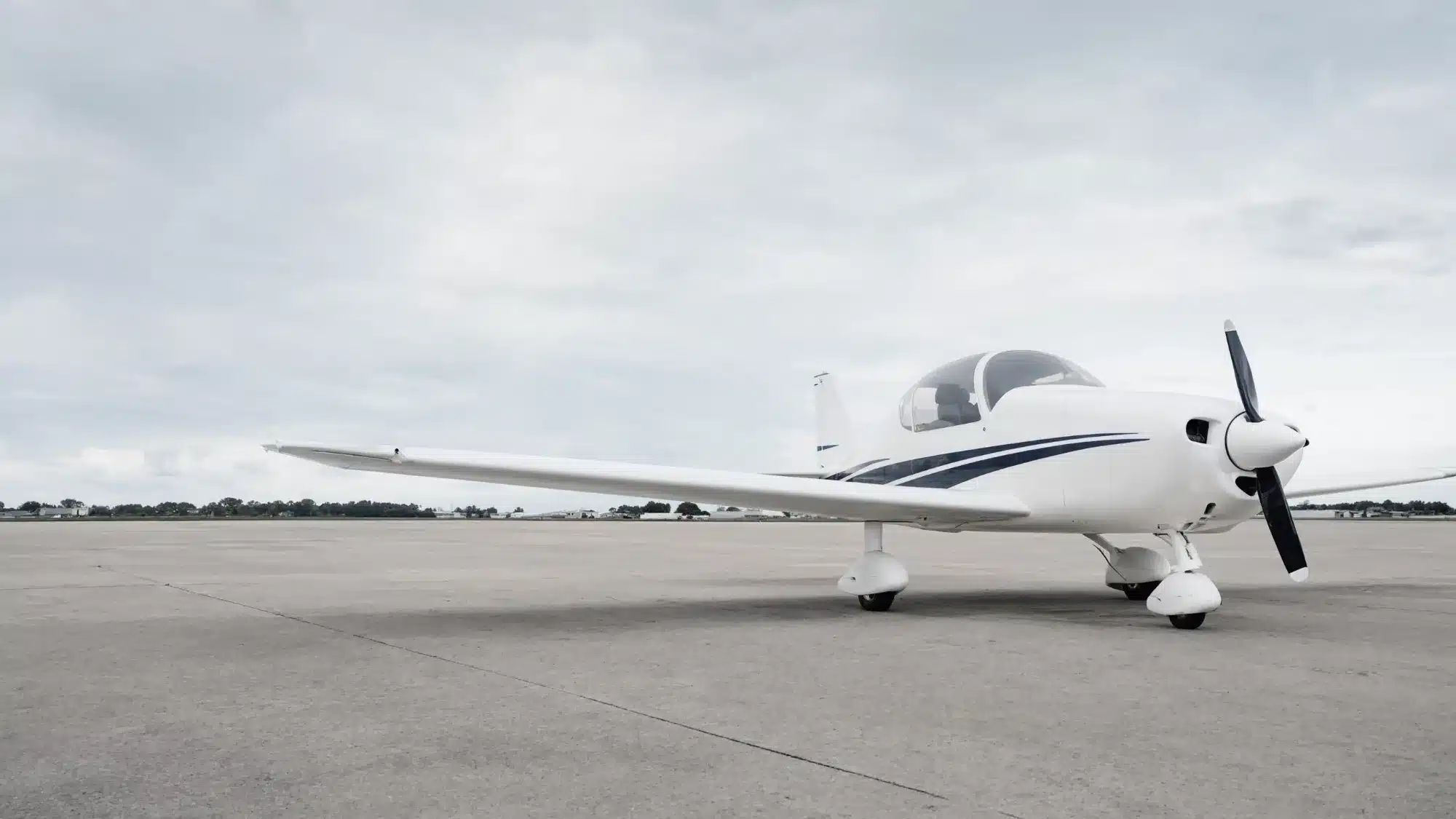
Glasairs reach us from builders who ran out of time on a long project and from owners stepping away from a high-performance airplane. Composite construction means the build quality question is different from an all-metal kit: layup quality and moisture history matter more than rivet lines, and they are harder for a buyer to assess without documentation. That makes the builder's records unusually valuable on this type, and it is the first thing we ask about.
What moves the number on a Glasair
Model and configuration. Glasair I, II, III, or a Sportsman, and whether retractable or fixed gear. These are meaningfully different airplanes with different buyers, and the later Sportsman in particular has its own following.
Layup quality and documentation. On a composite airframe a buyer cannot see inside the structure, so the builder's log, photographs and any inspection records carry more weight than on a metal kit. If the builder documented the layups, that record is a real asset.
Moisture and storage history. Composite structures stored damp, or left with unpainted surfaces exposed to UV, can carry problems that are not visible. Tell us where and how it has been stored; it shapes the inspection rather than the decision.
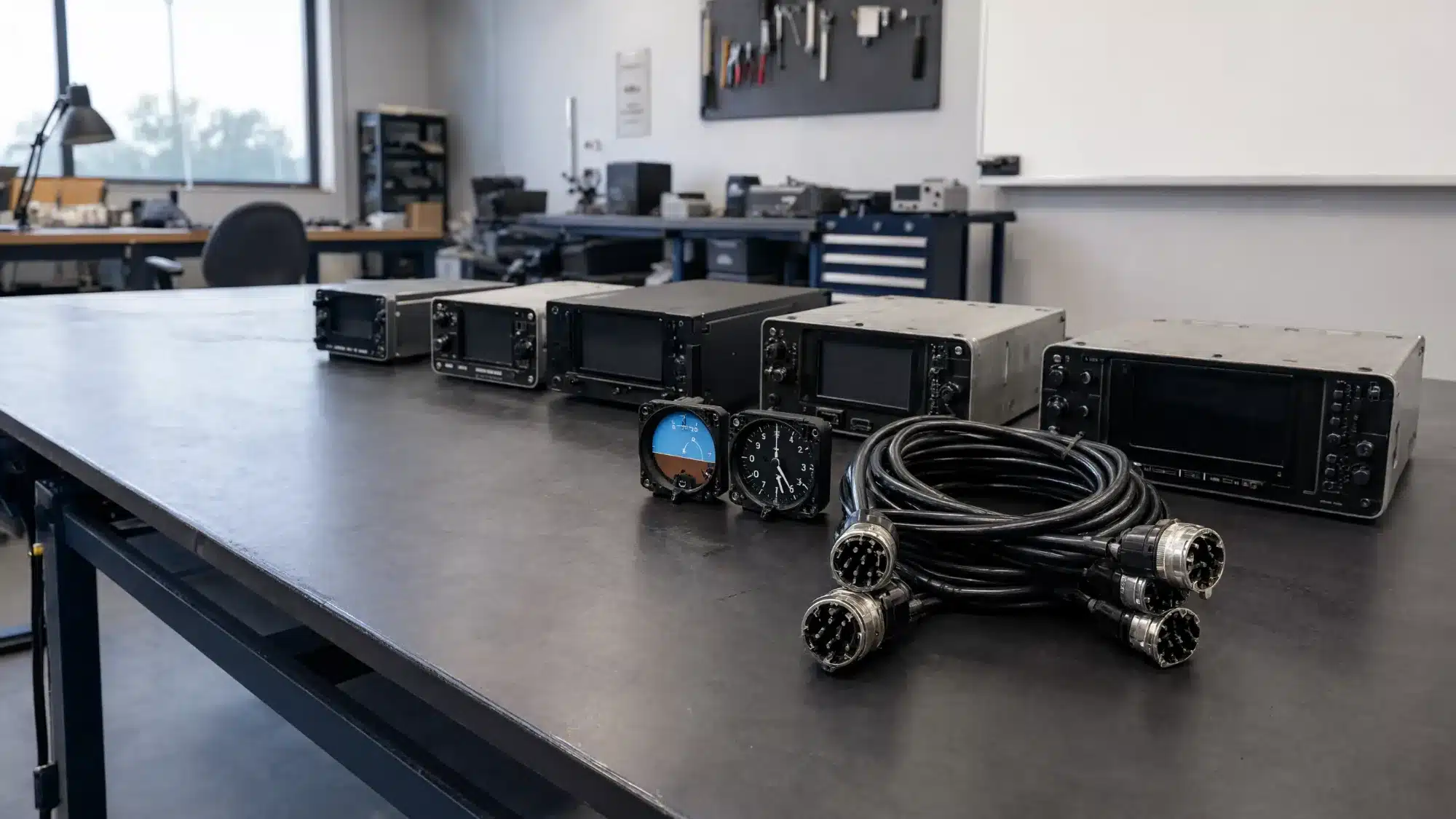
Engine and panel provenance. Often a certified Lycoming, sometimes with non-certified modifications. Document what is installed or crated and where it came from. On stalled projects the engine and panel are frequently the most valuable items in the hangar.
How a Glasair gets to us
Flying aircraft are ferried by a pilot current in the type, with the operating limitations reviewed first — Glasairs are quick and not every pilot is appropriate for one. Projects move on a trailer with cradles built for composite structure, which we bring, because a composite fuselage needs supporting differently from a metal one. Moulds, jigs and crated sub-assemblies come too if they are part of the donation.
What the first call covers

What you can deduct for this aircraft
A flying Glasair sells and your deduction is the gross proceeds reported on Form 1098-C. For projects, the route depends on documentation: a well-documented composite project has genuine resale value, while an undocumented one more often goes to a school or builders' association as teaching material, valued by qualified appraisal. Either way, an appraiser who understands composite homebuilts is worth seeking out — a general aircraft appraiser will struggle with this type.
Where an appraisal applies it is the donor's expense and the donor's choice of appraiser; we sign Form 8283 Section B as the recipient charity.
Rules for aircraft gifts are in IRS Publication 526, valuation in Publication 561. Nothing here is tax advice — confirm your figures with your CPA. How the deduction works · FAA paperwork
Other models in this class
Start with the N-number
We will pull the registry record before we call you back.