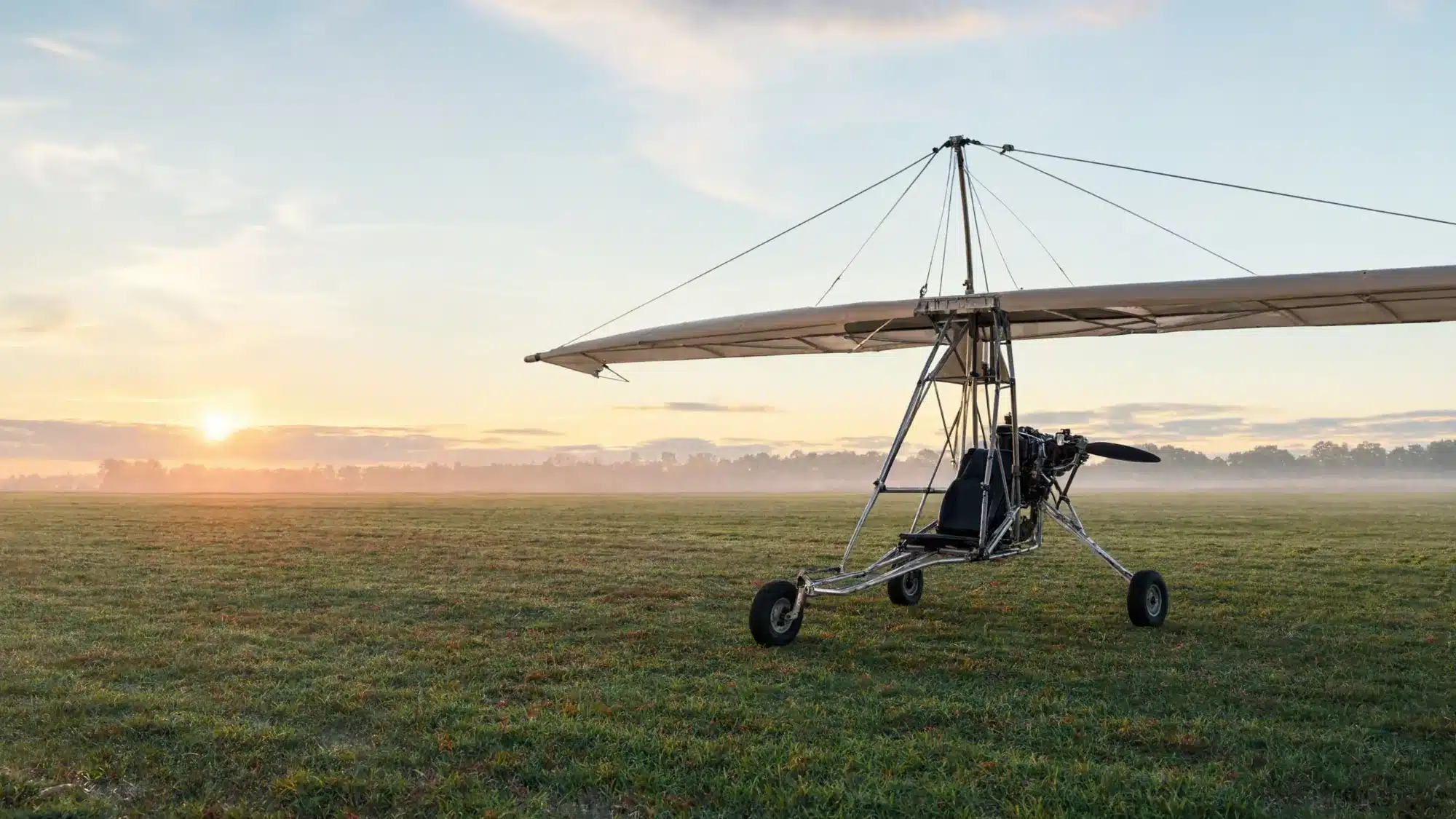
Quicksilvers, trikes and powered parachutes arrive after a medical lapses, a strip is sold, or an aircraft has sat in a barn long enough that the sails went chalky. Values are modest and the paperwork is the lightest in aviation — a true Part 103 vehicle has no registration to transfer. That combination makes these the quickest donations we process, and it means a barn find with a seized engine is still worth a phone call.
What moves the number on a Quicksilver
Part 103 or registered. A true Part 103 ultralight has no N-number and no registration, which removes the FAA filing entirely. A two-seat trainer or an S-LSA version does have paperwork. Either is fine; they just take different routes.
Sail condition and UV exposure. On sail-wing aircraft, UV degradation of the sailcloth is the limiting factor and a dead sail is a real cost to replace. Chalky, brittle or faded sails are extremely common on barn-stored aircraft and do not stop a donation.
Engine, and whether it turns. Two-stroke Rotax installations dominate, and a seized or long-unrun engine is ordinary here. Tell us roughly what it has on it and whether it runs; we take it either way.
Tube frame and prior repairs. Corrosion in the tube frame and any previous repairs or bent tubing. This is a structural question rather than a cosmetic one, and it decides whether the airframe flies again or becomes parts and teaching stock.
How a Quicksilver gets to us
A trailer, nearly always, and often a small one — many of these break down far enough to fit in a box trailer or on a flatbed with the wings folded. We bring what is needed and handle the disassembly. Ferry flights are rare and rarely worth it at these distances and speeds. Where the aircraft is Part 103 there is no registration to file, so the whole process comes down to collection and a written acknowledgment.
What the first call covers


What you can deduct for this aircraft
This is the one class where most donations land in the simplest tax bracket. Values are modest, so a sale typically produces a deduction under $5,000 — no appraisal required, just Form 8283 Section A and the 1098-C. Many land under $500, where a written acknowledgment from us is all the substantiation you need. Where a youth program, school or EAA chapter retains the airframe for instruction, that is significant intervening use and rests on appraised value instead.
For a Part 103 vehicle with no registration the same tax rules apply — only the FAA filing drops away. Your written acknowledgment describes the vehicle rather than citing an N-number.
Rules for aircraft gifts are in IRS Publication 526, valuation in Publication 561. Nothing here is tax advice — confirm your figures with your CPA. How the deduction works · FAA paperwork
Other models in this class
Start with the N-number
We will pull the registry record before we call you back.